في الحياة العصرية، لا يُعدّ الحمام مجرد مساحة أساسية للتنظيف اليومي والمعيشة، بل هو جزء لا يتجزأ من تجربة معيشية مريحة. فالحمام المصمم جيدًا، والعملي، والأنيق، يُمكنه أن يُحسّن جودة المنزل بشكل ملحوظ، ويُعزّز الراحة. ومع ذلك، يبقى تصميم حمام يجمع بين الراحة والعملية تحديًا يواجه العديد من العائلات أثناء عمليات التجديد. تُقدّم هذه المقالة دليلًا شاملًا يُغطي تخطيط الحمام، واختيار تجهيزاته، واختيار المواد، وتصميم التخزين، وتنسيق الأنماط، والتطبيقات الذكية، وحماية البيئة، وترشيد استهلاك الطاقة، لضمان أن يكون كل حمام جميلًا وعمليًا في آن واحد.
أولاً: تصميم مساحة الحمام: التخطيط السليم هو المفتاح
1.1 قياس مساحة الحمام
قبل شراء تجهيزات الحمام، من المهم قياس المساحة بدقة، بما في ذلك الطول والعرض والارتفاع ومواقع الأبواب والنوافذ وشبكة الصرف الصحي والتمديدات الكهربائية. فبفضل هذه البيانات الدقيقة فقط، يمكنك ضمان الحجم والتصميم المناسبين للتجهيزات وتجنب الازدحام أو هدر المساحة.
1.2 تقسيم المجال الوظيفي
بناءً على مساحة الحمام، قسّمه إلى ثلاثة أقسام: قسم الغسيل، وقسم الاستحمام، وقسم المرحاض، وقسم التخزين. إنّ تقسيم المساحات الوظيفية بشكل مناسب لا يُسهّل الاستخدام اليومي فحسب، بل يُحسّن أيضًا من جمالية الحمام. على سبيل المثال، يمكن للحمامات الصغيرة اعتماد تصميم يفصل بين قسمي الاستحمام الجاف والرطب لضمان النظافة وتحسين استغلال المساحة. أما الحمامات الكبيرة، فيمكن إضافة مغسلتين أو حوض استحمام لمزيد من الراحة.
1.3 مساحة مخصصة للحركة
عند تصميم تخطيط الحمام، احرص على توفير مساحة كافية بين كل منطقة وظيفية. عموماً، اترك مسافة لا تقل عن 70-80 سم أمام المغسلة حتى لا يؤثر باب الدش على المناطق الأخرى عند فتحه، مما يجنب الاصطدامات والإزعاج أثناء الاستخدام اليومي.
ثانيًا: اختيار تجهيزات الحمام: إعطاء الأولوية للوظائف والجودة
2.1 اختيار الأدوات الصحية
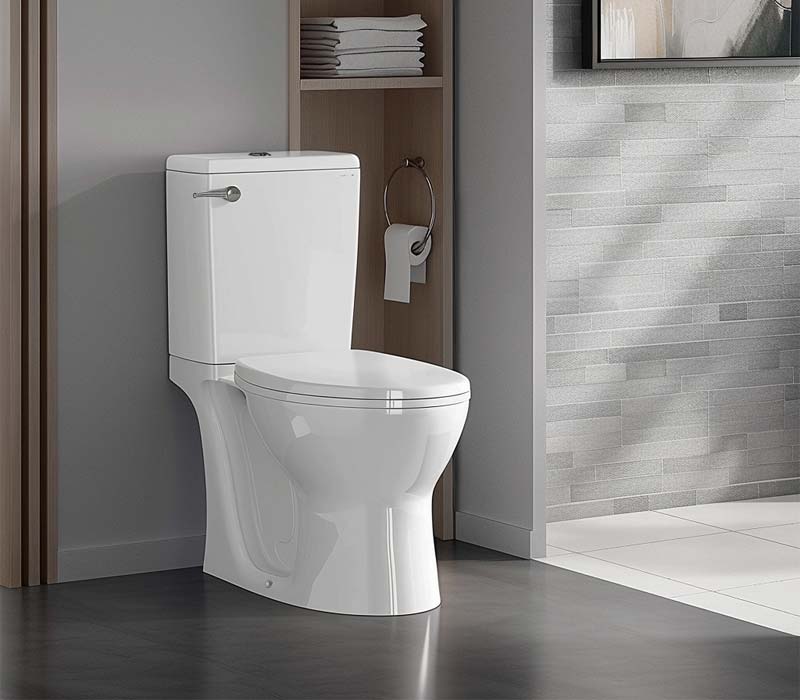
مراحيض
المراحيض الذكية: تعمل خاصية الشطف التلقائي والأغطية التي يتم تنشيطها بواسطة أجهزة الاستشعار والمقاعد المدفأة على تعزيز الراحة.
المراحيض الموفرة للمياه: أنظمة التدفق المزدوج أو تقنية السيفون تحافظ على المياه.
أحواض الغسيل وأسطح العمل
يمكن صنع أسطح العمل من السيراميك أو الحجر أو الحجر الصناعي أو الزجاج، مما يحقق التوازن بين المتانة والجمال.
يبلغ ارتفاع أحواض الغسيل عادةً 80-85 سم وهي مصممة بشكل مريح.
دش أو حوض استحمام
تمنع منطقة الاستحمام الرطبة والجافة المنفصلة تراكم المياه بشكل فعال وتسهل عملية التنظيف.
تُعد أحواض الاستحمام مثالية للعائلات التي تبحث عن الاسترخاء والراحة. اختر حوض استحمام مزود بخاصية التدليك أو حوض استحمام مزود بخاصية التدفئة.
2.2 الأجهزة
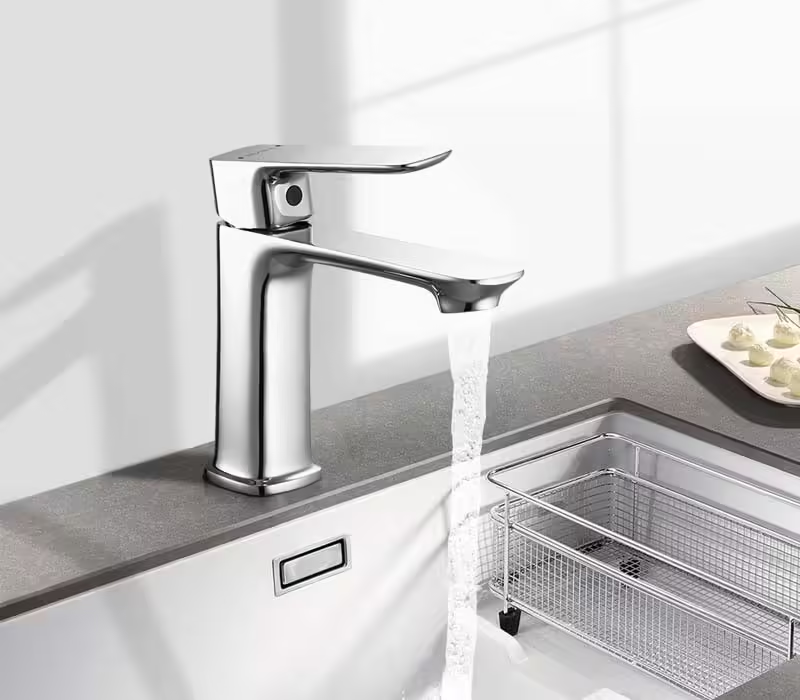
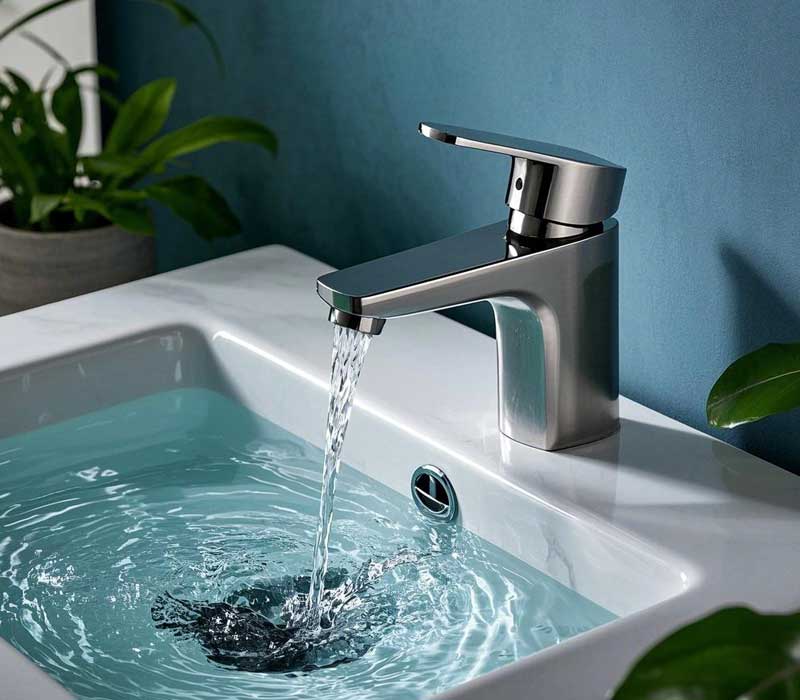
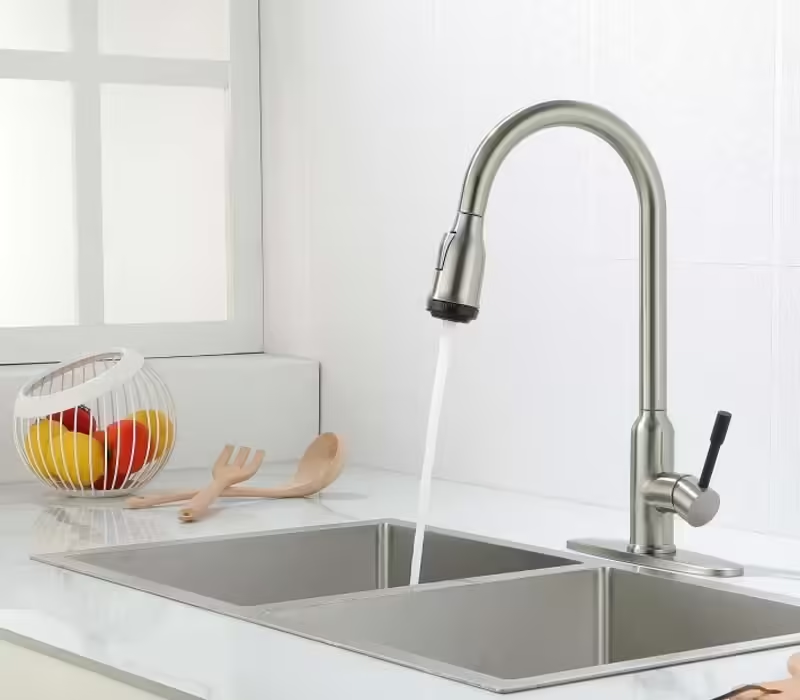
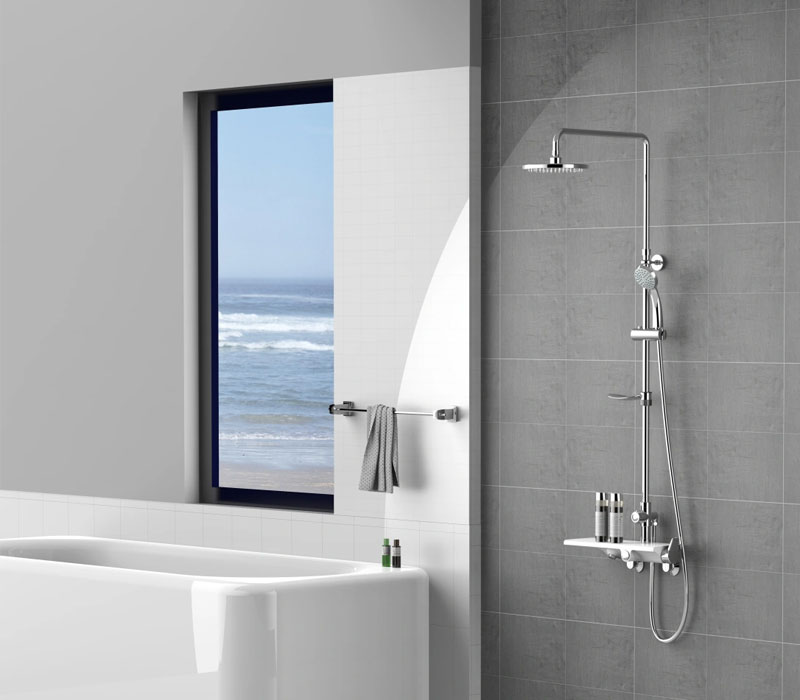
لا تؤثر الأدوات الصحية عالية الجودة، كالحنفيات ورؤوس الدش وحوامل المناشف ووحدات التخزين، على تجربة المستخدم فحسب، بل على المظهر الجمالي العام أيضاً. نوصي باستخدام الفولاذ المقاوم للصدأ أو النحاس المعالج بطبقة مقاومة للصدأ لضمان المتانة والسلامة.
ثالثًا: اختيار المواد: الموازنة بين المتانة وحماية البيئة
تُصنع الحمامات في بيئات رطبة، مما يفرض متطلبات عالية على المواد المستخدمة. وتشمل الاعتبارات الرئيسية مقاومة الرطوبة، ومقاومة العفن، والمتانة، والملاءمة البيئية.
مواد خزائن الحمام
يفضل اختيار الألواح الليفية متوسطة الكثافة (MDF) أو الخشب الصلب الصديق للبيئة مع معالجة مقاومة للرطوبة لمنع التشوه والعفن.
يمكن تغطية السطح بغشاء مقاوم للماء أو طلائه لزيادة المتانة.
مواد أسطح العمل
أسطح العمل الخزفية: مقاومة للماء، ومقاومة للخدش، وسهلة التنظيف.
الحجر الصناعي أو الحجر الطبيعي: متين وجميل، ولكنه أغلى ثمناً ويتطلب صيانة دورية.
أسطح العمل الزجاجية: عصرية وسهلة التنظيف، ولكنها عرضة للخدش والتشقق.
مواد الأرضيات والجدران
الأرضية: بلاط سيراميك مانع للانزلاق أو حجر طبيعي لأسباب تتعلق بالسلامة.
الجدار: طلاء أو بلاط مقاوم للماء لسهولة التنظيف ومقاومة العفن.
رابعاً: تصميم التخزين: منظم جيداً، مريح وعملي
يُعد التخزين عنصراً أساسياً للحصول على حمام مريح. فنظام التخزين المصمم جيداً يُمكن أن يُقلل من الفوضى ويُحسّن من جمالية المكان.
خزائن وأدراج الحمام
يمكن للأدراج تخزين أغراض صغيرة مثل مستحضرات التجميل وفرش الأسنان وشفرات الحلاقة.
يمكن للخزائن استيعاب أغراض أكبر حجماً مثل مواد التنظيف وورق التواليت.
خطافات وأرفف
يمكن تعليق المناشف ومناشف الحمام على الحائط أو أبواب الخزائن لتوفير المساحة.
يمكن أن تساعد رفوف الحمام في الحفاظ على سهولة الوصول إلى العناصر المستخدمة بشكل متكرر مثل الشامبو وجل الاستحمام.
مزيج من الأنماط المفتوحة والمغلقة
ضع الأغراض التي يتم استخدامها بشكل متكرر على أرفف مفتوحة لسهولة الوصول إليها؛ واحتفظ بالأغراض الأقل استخداماً أو المتنوعة في خزائن مغلقة للحفاظ على الترتيب.
- تنسيق الأنماط: التنسيق العام والجماليات
تعتمد جماليات مساحة الحمام إلى حد كبير على تناسق أسلوبها:
الحد الأدنى الحديث
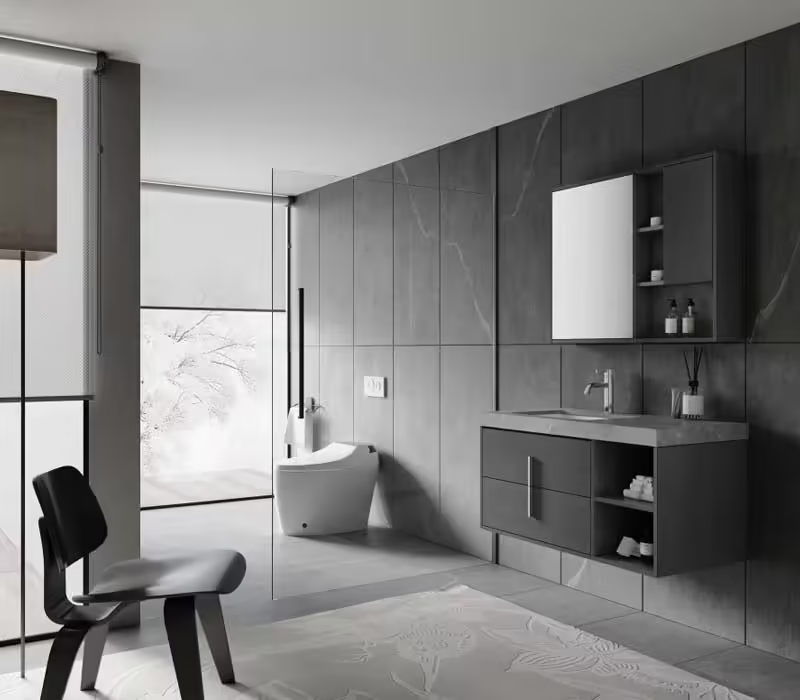
الخطوط النظيفة والألوان المحايدة مناسبة لبلاط الجدران الأبيض أو الرمادي أو ذي اللون الخشبي الفاتح.
النمط الاسكندنافي
تُشكّل العناصر الخشبية محور التركيز الرئيسي، وتُكمّلها البلاطات البيضاء أو ذات الألوان الفاتحة، مما يخلق إحساسًا طبيعيًا ومشرقًا.
النمط الصناعي
تُبرز العناصر المعدنية والفولاذية المقاومة للصدأ والجدران الداكنة الطابع الفردي.
النمط الأوروبي الرجعي
تُضفي الخزائن المنحنية والتصاميم المنحوتة المقترنة بأسطح الرخام مظهراً فاخراً وأنيقاً.
نصيحة للاختيار: يجب أن يكون النمط متسقًا مع النمط العام للمنزل لتجنب الأنماط المتضاربة مع المناطق الأخرى.
- تطبيقات ذكية: تعزيز الراحة والسهولة
مع تطور المنازل الذكية، أصبحت مساحات الحمامات أيضاً أكثر ذكاءً:
المراحيض الذكية: تعمل وظائف الشطف التلقائي والمقاعد المدفأة والتنظيف على تعزيز الراحة.
رؤوس الدش والحنفيات الذكية: يساهم تدفق المياه الذي يتم التحكم فيه بواسطة المستشعر في الحفاظ على المياه مع توفير تجربة درجة حرارة ثابتة.
مرايا وإضاءة الحمام: تعمل الإضاءة المضادة للضباب وإضاءة LED على تعزيز الراحة.
أنظمة التهوية والتدفئة الذكية: تحافظ على بيئة جافة وتمنع نمو الرطوبة والعفن.
سابعاً: حماية البيئة وترشيد الطاقة: مفاهيم الحياة الخضراء
عند اختيار منتجات الحمام، ضع في اعتبارك حماية البيئة وترشيد استهلاك الطاقة:
تجهيزات موفرة للمياه
تساهم المراحيض الموفرة للمياه، والحنفيات المزودة بمستشعرات، ورؤوس الدش الموفرة للمياه في تقليل هدر المياه.
الأجهزة الموفرة للطاقة
اختر نماذج موفرة للطاقة لسخانات المياه، وسخانات الحمامات، والأجهزة الأخرى لتقليل استهلاك الطاقة.
مواد صديقة للبيئة
اختر ألواحًا صديقة للبيئة خالية من الفورمالديهايد ومنخفضة في المركبات العضوية المتطايرة لحماية صحة عائلتك.
ثامناً: نصائح التسوق
خطط مسبقاً: قم بقياس المساحة وحدد المتطلبات الوظيفية.
ركز على الجودة: اختر علامات تجارية ذات سمعة طيبة لضمان خدمة ما بعد البيع المضمونة.
وازن بين الجماليات والعملية: ضع في اعتبارك المواد، ومقاومة الرطوبة، والتخزين، والأسلوب.
إعطاء الأولوية للذكاء والمحافظة على البيئة: تحسين الراحة مع تعزيز الحياة الخضراء.
التفاصيل تحدد التجربة: انتبه للتفاصيل الصغيرة مثل مادة سطح العمل، وبلاط الأرضيات غير القابل للانزلاق، والإضاءة.