كيفية اختيار حوض الاستحمام المناسب: إنشاء مساحة حمام مريحة وعملية
لا تُعدّ أحواض الحمامات قطع تخزين أساسية في حمامك فحسب، بل تؤثر بشكل مباشر على جمالياته ووظائفه. اختيار حوض الحمام المناسب لا يُحسّن تجربة المستخدم فحسب، بل يعكس أيضًا ذوق منزلك. لذا، مع توفر العديد من الأنماط والمواد والعلامات التجارية، كيف تختار الأنسب؟ ستقدم هذه المقالة إرشادات شاملة حول اختيار المواد، والمقاسات، ووظائف التخزين، وتنسيق الأنماط، والتركيب، والصيانة.
- اختيار المواد: الموازنة بين الصديقة للبيئة والمتانة
أول ما يجب مراعاته عند اختيار طاولة حمام هو المادة. من بين المواد الشائعة:
الخشب الصلب أو قشرة الخشب
المزايا: ملمس طبيعي، جودة ممتازة، وأداء بيئي عالي.
العيوب: باهظة الثمن نسبيًا وتتطلب عزلًا للرطوبة.
مناسب لـ: تجديدات الحمامات الراقية والمنازل التي تبحث عن لمسة نهائية طبيعية.
لوح ألياف متوسط الكثافة (MDF)
المزايا: بأسعار معقولة، وسهلة العمل معها، وقابلة للتكيف مع مجموعة متنوعة من التشطيبات.
العيوب: يعتمد الأداء المقاوم للرطوبة على معالجة السطح، لذا اختر لوحًا عالي الجودة ومقاومًا للرطوبة.
مناسب لـ: معظم عمليات تجديد المنازل، وتحقيق التوازن بين الفعالية من حيث التكلفة والجماليات.
لوح متعدد الطبقات/لوح جسيمات
المميزات: بأسعار معقولة ومناسبة للإنتاج بالجملة.
العيوب: مقاومة ضعيفة للرطوبة، وتتطلب عزل السطح بالماء.
مناسب لـ: المساحات ذات الميزانية المحدودة أو الاستخدام قصير الأمد.
المعدن أو الفولاذ المقاوم للصدأ
المميزات: مقاوم للرطوبة ومقاوم للتآكل وسهل التنظيف.
العيوب: خيارات التصفيف محدودة، وقد تبدو باردة وقاسية.
مناسب لـ: الحمامات الحديثة البسيطة أو الصناعية.
نصائح الاختيار: إعطاء الأولوية للود البيئي ومقاومة الرطوبة، وتجنب المواد المعرضة للعفن ومحتوى الفورمالديهايد الزائد.
II. الأبعاد: مناسبة للمساحة والتخطيط المناسب
يجب اختيار أبعاد خزانة الحمام بناءً على مساحة الحمام واحتياجات الأسرة:
طول
حمام صغير: 60-80 سم، مناسب لشخص واحد.
حمام متوسط: 80-120 سم، مناسب للاستخدام العائلي اليومي.
حمام كبير: 120 سم أو أكثر، مع تصميم حوض مزدوج لزيادة الكفاءة.
ارتفاع
يبلغ ارتفاع خزانة الحمام النموذجية حوالي 80-85 سم، وهي مصممة بشكل مريح.
يمكن تعديل الارتفاع ليناسب ارتفاع كل فرد من أفراد العائلة.
عمق
العمق النموذجي هو 40-50 سم، مما يضمن مساحة تخزين واسعة دون شغل مساحة كبيرة.
نصائح الاختيار: قم بقياس الأبعاد الفعلية لحمامك وخصص مساحة للأبواب والنوافذ والمراحيض وغيرها من التجهيزات، مع التأكد من أن الخزانة لا تعيق الحركة.
- وظيفة التخزين: تنظيم معقول للراحة والعملية
الوظيفة الأساسية لخزانة الحمام هي التخزين. اختر تصميمًا عمليًا يناسب احتياجات عائلتك:
الأدراج والمقسمات
يمكن تخزين العناصر الصغيرة في الأدراج لتقليل الفوضى.
يمكن تنظيم مستحضرات التجميل والمناشف ولوازم التنظيف لتحسين الكفاءة.
تصميمات ذات بابين ونمط مفتوح
تعتبر الخزائن ذات البابين ملائمة لتخزين العناصر الأكبر حجمًا، مثل ورق التواليت وأدوات التنظيف.
تعتبر الأرفف المفتوحة مثالية للأشياء التي يتم استخدامها بشكل متكرر، حيث توفر سهولة الوصول إليها، ولكن يجب الحفاظ عليها منظمة بشكل أنيق.
خطافات أو فواصل مدمجة
تعتبر الخطافات مناسبة لتعليق المناشف ومناشف الحمام.
تساعد المقسمات على تنظيم والحفاظ على النظام.
الاختيار الموصى به: اختر تخطيط تخزين مناسبًا بناءً على عدد أفراد الأسرة وأنواع العناصر، وموازنة الجماليات والوظيفة.
رابعًا، مطابقة الأسلوب: التنسيق مع الديكور العام
خزائن الحمام ليست مجرد قطع أثاث عملية، بل تُسهم أيضًا في التأثير البصري العام للحمام. من بين الأنماط الشائعة:
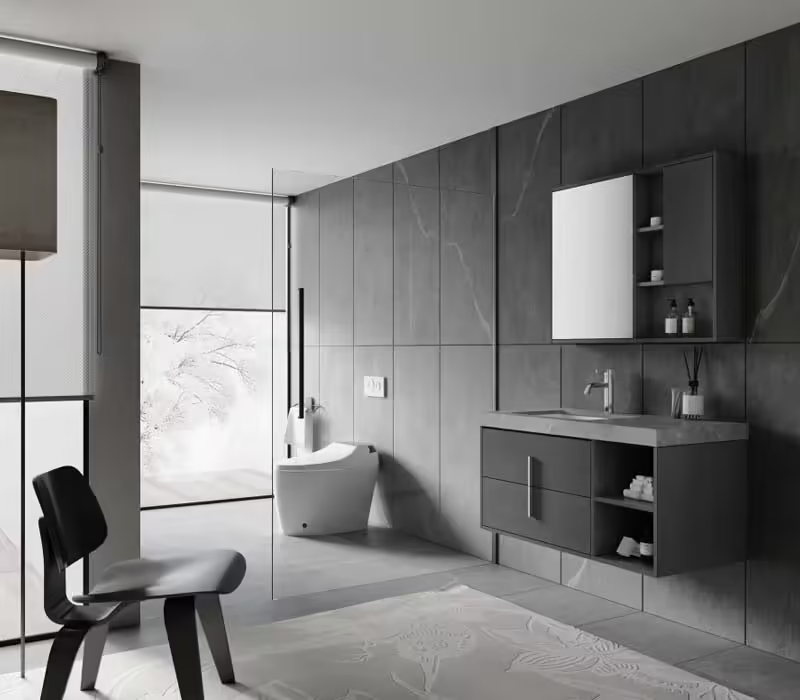
الحد الأدنى الحديث
خطوط نظيفة وألوان محايدة.
يمكنك تنسيقها مع البلاط الأبيض أو الرمادي للحصول على مظهر نظيف ومرتب.
النمط الاسكندنافي
تتميز هذه الألوان بالخشب والأبيض في المقام الأول، حيث تؤكد على القوام الطبيعي.
يمكنك تنسيقها مع جدران ذات ألوان فاتحة وإضاءة طبيعية للحصول على مساحة أكثر إشراقًا.
النمط الصناعي
المواد المعدنية والفولاذ المقاوم للصدأ تخلق لونًا عميقًا.
يمكنك تنسيقها مع جدران باللون الأسود أو الرمادي للحصول على مظهر مميز.
النمط الأوروبي الرجعي
الأنماط المنحوتة أو التصاميم المنحنية تخلق شعوراً بالفخامة.
يمكنك تنسيقها مع أسطح من الفسيفساء أو الرخام للحصول على أجواء راقية.
الاختيار الموصى به: اختر لون الخزانة والمادة والشكل بناءً على ديكور الحمام العام لتحقيق الوحدة البصرية والمساحة الجميلة.
- مادة سطح العمل: الموازنة بين المتانة والجماليات
تؤثر مادة سطح العمل بشكل مباشر على عمره الافتراضي وصيانته:
سطح عمل سيراميك
المميزات: مقاومة لدرجات الحرارة العالية، ومقاومة للماء، ومقاومة للخدش.
العيوب: ثقيلة وعرضة للتشقق بسبب الصدمات.
سطح عمل حجري (رخام/حجر صناعي)
المميزات: عالية الجودة، جميلة، مقاومة للتآكل ومقاومة للحرارة.
العيوب: باهظة الثمن وتتطلب صيانة منتظمة.
سطح عمل زجاجي
المميزات: حديثة وسهلة التنظيف.
العيوب: قابلة للخدش أو التشقق بسهولة.
سطح عمل من الخشب الصلب
المميزات: ملمس طبيعي وصديق للبيئة.
العيوب: يتطلب عزلًا للرطوبة، وإلا فإنه يمكن أن يتشوه أو يتعفن بسهولة.
توصية اختيار: أعطِ الأولوية للمواد المقاومة للماء والبقع وسهلة التنظيف. اختر سطح العمل المناسب بناءً على ميزانيتك وأسلوب ديكورك.
- التركيب والصيانة: ضمان طول العمر
احتياطات التثبيت
تأكد من أن الخزانة مستوية لتجنب تراكم المياه.
تأكد من وجود تخطيط مناسب لأنظمة السباكة والصرف الصحي لمنع التسربات.
يجب أن يكون سطح العمل مدمجًا بشكل وثيق مع الحائط لمنع تسرب المياه.
الصيانة اليومية
قم بتنظيف سطح الخزانة بانتظام لمنع بقع الماء وتراكم الأوساخ.
استخدم معالجات مقاومة للرطوبة والعفن لإطالة عمر الخزانة.
ينبغي معالجة الخدوش أو البقع الموجودة على سطح العمل على الفور.
٧. نصائح الشراء
إعطاء الأولوية للمواد الصديقة للبيئة لضمان الصحة وتجنب المواد الضارة مثل الفورمالديهايد.
قم بقياس المساحة بعناية للتأكد من أن الخزانة مناسبة بشكل صحيح ولا تتداخل مع الحركة.
قم بتصميم وحدات التخزين وفقًا لاحتياجات عائلتك لتحقيق التوازن بين الوظيفة والجمال.
انتبه إلى الأسلوب العام: تأكد من أن الخزانة، سطح العمل، الحائط، والأرضية متكاملة بشكل متناغم.
اختر علامة تجارية تتمتع بخدمة ما بعد البيع موثوقة لضمان الاستخدام الخالي من القلق.