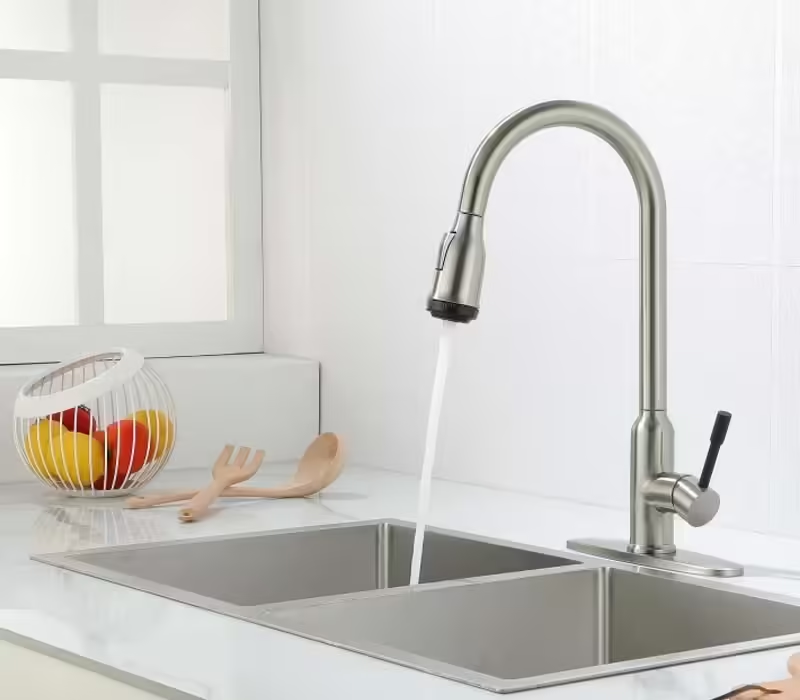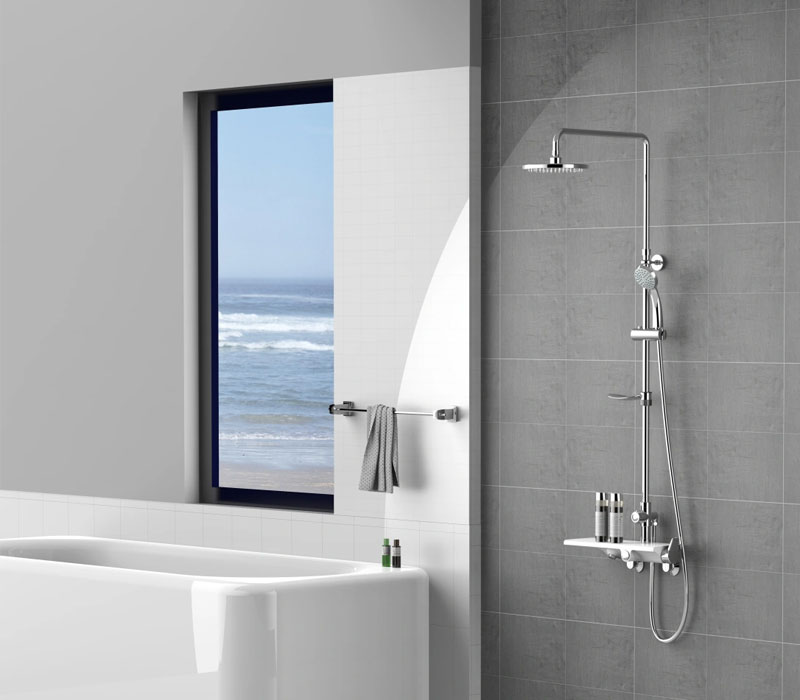
في ظل المبادرات العالمية التي تُشجع على ترشيد استهلاك الطاقة، وخفض الانبعاثات، والتنمية المستدامة، يواجه قطاع الحمامات فرصًا جديدة للتحول. وباعتبارها منفذًا رئيسيًا للمياه المنزلية والتجارية، تتحمل صناعة صنابير المياه مسؤولية كبيرة في ترشيد استهلاك المياه وحماية البيئة. في الماضي، كانت الصنابير تُعتبر في المقام الأول "متينة" و"جميلة المظهر". ولكن مع التقدم في التكنولوجيا الخضراء وتزايد وعي المستهلكين، تُسرّع صناعة الصنابير من وتيرة تحولها نحو التنمية المستدامة. وهذا ليس خيارًا حتميًا فحسب، بل هو أيضًا عامل حاسم في تعزيز القدرة التنافسية للسوق مستقبلًا.
أولاً: خلفية الصناعة واتجاهات التنمية
1.1 تغيرات السوق في ظل الموجة العالمية لحماية البيئة
أدى تغير المناخ العالمي وندرة الموارد إلى دفع الحكومات في جميع أنحاء العالم إلى فرض معايير صارمة لاستخدام المياه وسياسات بيئية. فعلى سبيل المثال، فرضت شهادة WaterSense التابعة لوكالة حماية البيئة الأمريكية، وشهادة EcoLabel الأوروبية، متطلبات أعلى على أداء صنابير المياه الموفرة للمياه. وفي الصين، ساهم إصدار "قواعد تنفيذ شهادة المنتجات الموفرة للمياه" في تعزيز تطوير صنابير المياه الموفرة للمياه.
1.2 من المنتجات الوظيفية إلى منتجات التكنولوجيا الصديقة للبيئة
تطورت صناعة صنابير المياه من وظيفتها الميكانيكية الأساسية في توزيع المياه إلى منتجات متعددة الوظائف تجمع بين التصميم الجمالي وكفاءة ترشيد استهلاك المياه والتحكم الذكي. واليوم، لم تعد الصنابير مجرد أدوات يومية في المطبخ والحمام، بل أصبحت أيضاً عنصراً أساسياً في المنازل الصديقة للبيئة والمعيشة الذكية.
ثانياً: التكنولوجيا الخضراء تقود ابتكار المنتجات
2.1 التحديث المستمر لتقنيات ترشيد استهلاك المياه
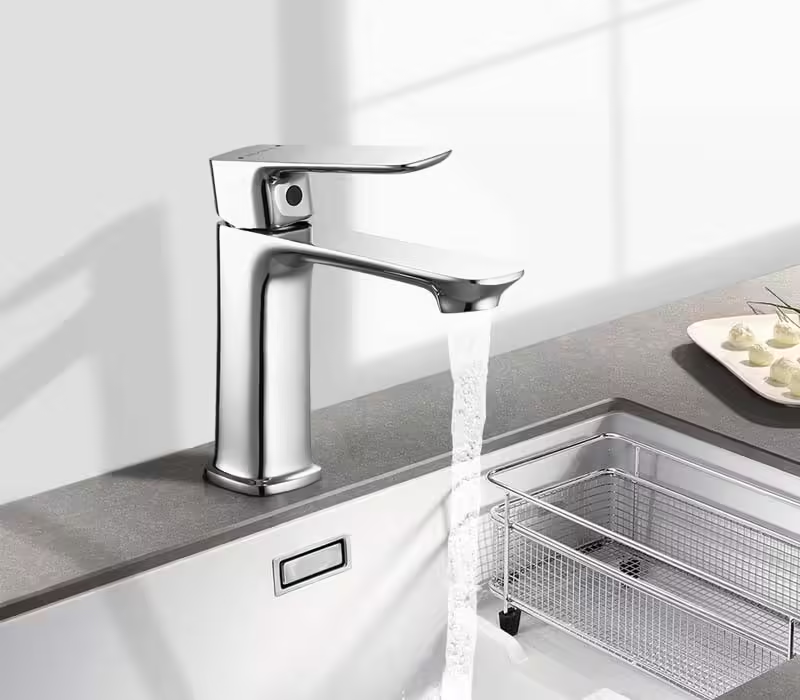
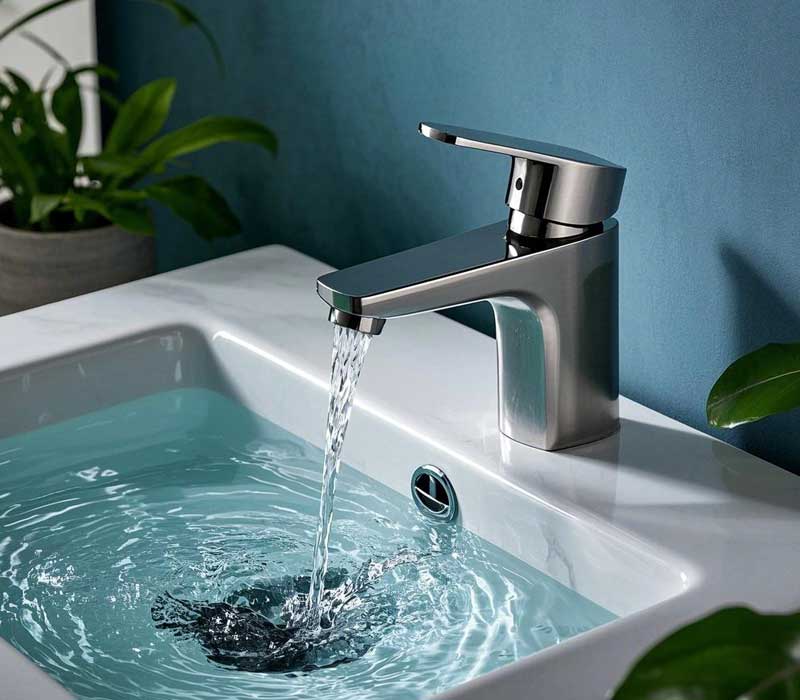
تتبنى الشركات الرائدة حاليًا على نطاق واسع تصاميم موفرة للمياه، مثل مهويات الصنابير، وصمامات التحكم في التدفق، وتقنية حقن الفقاعات. تُقلل هذه التصاميم من استهلاك المياه مع الحفاظ على قوة تدفق كافية. على سبيل المثال، يمكن لبعض صنابير المياه الموفرة التحكم في تدفق المياه إلى 4-6 لترات في الدقيقة، مما يُقلل استهلاك المياه بنحو 40% مقارنةً بالمنتجات التقليدية.
2.2 أجهزة الاستشعار الذكية والتحكم الآلي
أصبحت صنابير المياه التي تعمل بالاستشعار شائعة بشكل متزايد في المنازل والأماكن العامة. تستخدم هذه الصنابير الأشعة تحت الحمراء أو رقائق ذكية لتشغيل وإيقاف تدفق المياه تلقائيًا، مما يقلل بشكل فعال من هدر المياه الجارية. تحظى هذه المنتجات بشعبية خاصة في الأماكن العامة مثل المطارات ومراكز التسوق والمدارس.
2.3 تطبيق مواد جديدة صديقة للبيئة
رغم متانة الهياكل النحاسية التقليدية، إلا أن محتواها من الرصاص يثير قلقاً متزايداً. لذا، يلجأ العديد من المصنّعين الآن إلى استخدام مواد أخرى مثل النحاس الخالي من الرصاص، والفولاذ المقاوم للصدأ، وطلاءات الترسيب الفيزيائي للبخار، والسبائك المعاد تدويرها. تضمن هذه المواد الصحة والسلامة، وتتوافق في الوقت نفسه مع التوجه البيئي نحو إعادة التدوير وخفض انبعاثات الكربون.
2.4 تحسين عملية الطلاء الكهربائي ومعالجة الأسطح
في الماضي، كانت عمليات الطلاء الكهربائي غالباً ما ترتبط بتلوث كبير واستهلاك عالٍ للطاقة. ومع التقدم التكنولوجي، أصبحت العمليات الصديقة للبيئة، مثل الطلاء الفراغي والترسيب الفيزيائي للبخار (PVD)، تحظى بشعبية متزايدة، مما يقلل من انبعاثات المعادن الثقيلة مع تحسين مقاومة التآكل وإطالة عمر صنابير المياه.
ثالثًا: القيمة متعددة الأبعاد للتنمية المستدامة
3.1 القيمة البيئية
يمكن لحنفيات المياه الموفرة أن توفر للأسر عدة أطنان من المياه العذبة سنوياً، مما يخفف بشكل كبير من نقص موارد المياه العذبة من منظور مجتمعي. علاوة على ذلك، فإن الاستخدام الواسع النطاق للعمليات الصديقة للبيئة يقلل من تلوث الهواء والماء أثناء عملية الإنتاج.
3.2 القيمة الاقتصادية
بالنسبة للمستهلكين، تعني صنابير المياه الموفرة للمياه فواتير مياه أقل. أما بالنسبة للشركات، فغالباً ما تتمتع المنتجات الحاصلة على شهادات بيئية بقدرة تنافسية أكبر في السوق، مما يضمن لها الحصول على دعم حكومي والوصول إلى الأسواق الدولية.
3.3 القيمة الاجتماعية
مع تزايد الوعي العام بأهمية حماية البيئة، يتجه المستهلكون بشكل متزايد إلى اختيار المنتجات الصديقة للبيئة والموفرة للطاقة. ولا تقتصر الشركات الملتزمة بالتنمية المستدامة على بناء صورة علامة تجارية مسؤولة فحسب، بل تكتسب أيضاً سمعة طيبة في السوق وثقة طويلة الأمد.
رابعاً: هيكل السوق والمشهد التنافسي
4.1 السوق المحلي
أصبحت الصين أكبر سوق في العالم لإنتاج واستهلاك صنابير المياه، إذ تستحوذ على أكثر من 501 تريليون طن من الطاقة الإنتاجية العالمية. وتتجه العديد من الشركات من التصنيع الأصلي البسيط إلى تطوير علاماتها التجارية الخاصة والتركيز على السوق الراقية، مما يدفع نحو تحديثات هيكلية في هذا القطاع.
4.2 السوق الدولية
تفرض الأسواق الأوروبية والأمريكية متطلبات أعلى فيما يتعلق بترشيد استهلاك المياه وحماية البيئة، ما يُلزم الشركات بالحصول على شهادات مثل WaterSense وCE وNSF قبل دخول السوق. وهذا يدفع المصنّعين المحليين إلى تسريع وتيرة البحث والتطوير التكنولوجي وابتكار العمليات.
4.3 التركيز الجديد للمنافسة الصناعية
لن تعتمد المنافسة المستقبلية على الأسعار المنخفضة، بل ستتمحور حول الابتكار التكنولوجي، وحماية البيئة، وتجربة المستخدم، وقوة العلامة التجارية. وسيضمن من يحققون إنجازات رائدة في مجال ترشيد استهلاك المياه، والتكنولوجيا الذكية، والمواد الصديقة للبيئة، مكانة مهيمنة في السوق.
خامساً: التحديات والتدابير المضادة
5.1 المواد الخام وضغوط التكلفة
غالباً ما تكون تكلفة المواد الصديقة للبيئة والعمليات المتقدمة أعلى. لذا، تحتاج الشركات إلى خفض التكاليف من خلال الإنتاج على نطاق واسع وتحسين سلسلة التوريد.
5.2 نشر التكنولوجيا وتثقيف المستخدمين
يفتقر العديد من المستهلكين إلى فهمٍ كافٍ لتقنيات توفير المياه والحنفيات الذكية. لذا، يحتاج القطاع إلى تكثيف جهود التوعية والترويج لمنتجاته وخدماته لتمكين المزيد من الناس من تجربة فوائد التكنولوجيا الخضراء.
5.3 غياب المعايير واللوائح
لا يزال نظام التقييس والشهادات الخاص بحنفيات المياه الموفرة في الصين بحاجة إلى تحسين. ينبغي على الجمعيات الصناعية والشركات الرائدة العمل معاً لتعزيز المعايير الموحدة والارتقاء بالمستوى العام للصناعة.
سادساً: التوقعات المستقبلية
6.1 التكامل العميق مع المنازل الذكية
ستتصل صنابير المياه المستقبلية بأنظمة المنازل الذكية. وسيتمكن المستخدمون من الحصول على توصيل دقيق للمياه وإمدادات مياه محددة الكمية من خلال التحكم الصوتي وتطبيقات الهاتف المحمول، بل ويمكن دمجها مع أنظمة مراقبة الصحة.
6.2 الاقتصاد الدائري والتصميم القابل لإعادة التدوير
ستولي الشركات اهتماماً أكبر لإمكانية إعادة تدوير المنتجات وإدارة دورة حياتها لتعزيز تطوير الاقتصاد الدائري والحد من هدر الموارد.
6.3 الجمع بين العولمة والمحلية
لا يجب على الشركات التوسع في الأسواق الدولية فحسب، بل يجب عليها أيضاً تلبية الاحتياجات الشخصية للمستهلكين المحليين وتقديم حلول خضراء متميزة.
6.4 الطريق إلى التميز وبناء العلامة التجارية
في المستقبل، لن تكون صنابير المياه مجرد ملحقات بسيطة، بل ستصبح رمزاً للحياة المستدامة والأثاث المنزلي عالي الجودة. وسيصبح التميز في الجودة والعلامات التجارية من أهم توجهات هذه الصناعة.
خاتمة
إن توجه صناعة صنابير المياه نحو الاستدامة ليس مجرد خيار حتمي للتكيف مع تغيرات العصر، بل هو أيضاً محرك أساسي للتنمية عالية الجودة. فمن تقنيات ترشيد استهلاك المياه وأجهزة الاستشعار الذكية إلى الابتكار المستمر في المواد الصديقة للبيئة، تُحدث التكنولوجيا الخضراء تحولاً جذرياً في قطاع صنابير المياه. ومن المتوقع أن تصبح صنابير المياه في المستقبل ليس فقط ضرورة يومية، بل أيضاً عاملاً أساسياً في تبني نمط حياة صديق للبيئة، مما يقود الصناعة نحو مستقبل أكثر استدامة وذكاءً وصديقاً للبيئة.