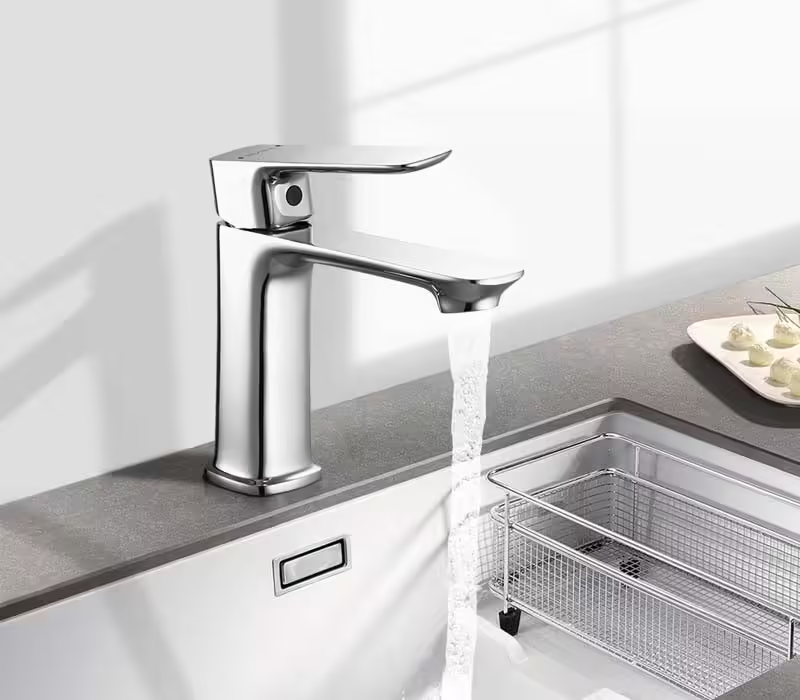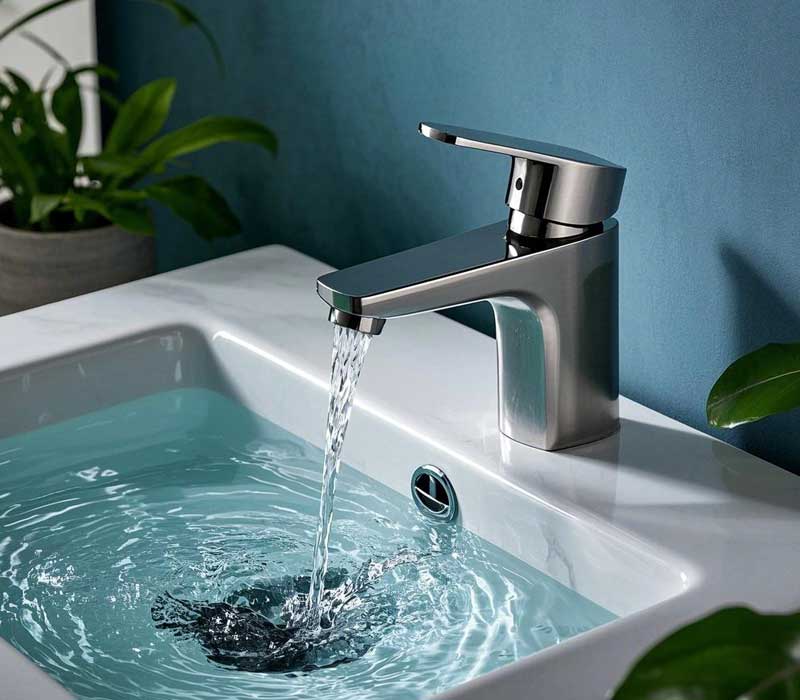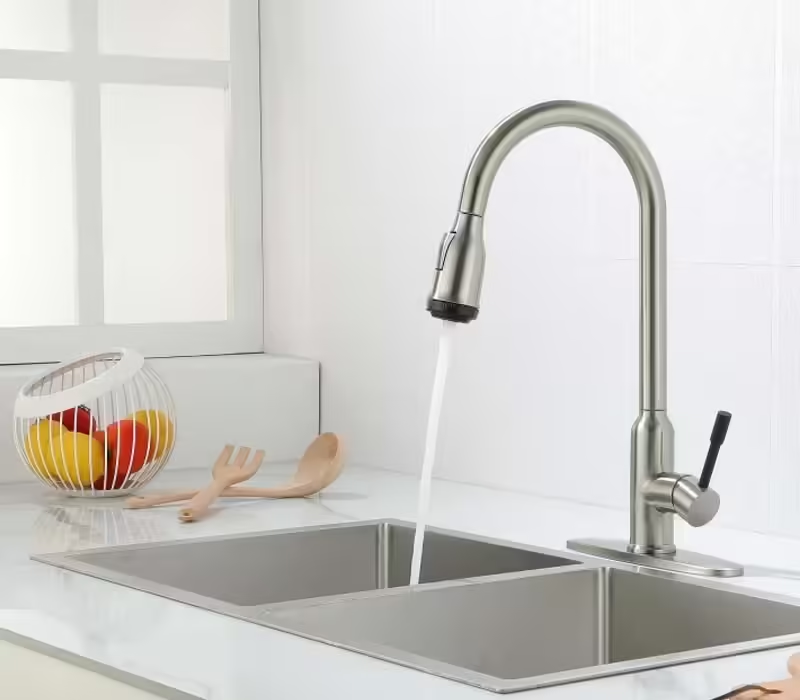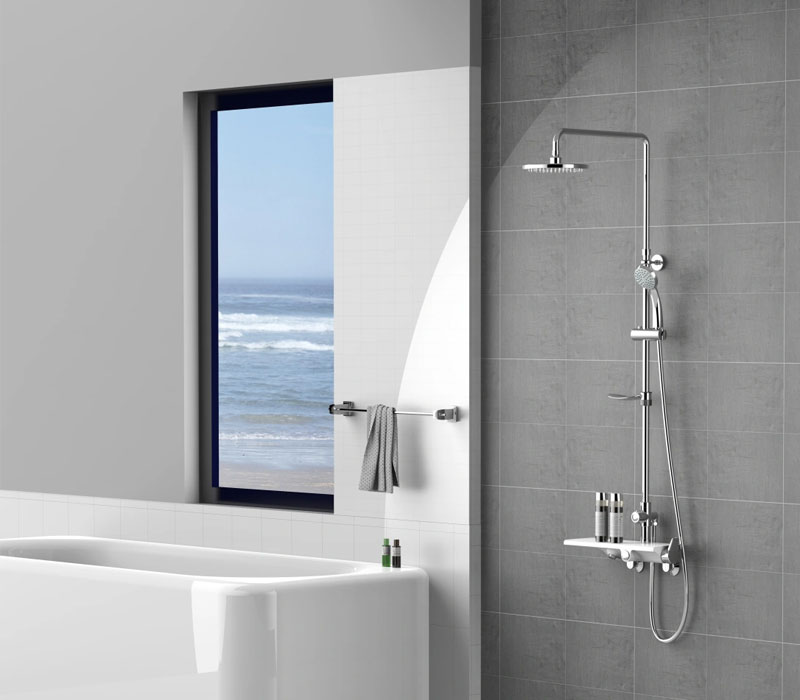
When you’re selecting a brass faucet kitchen fixture for your home or professional project, you’re doing much more than choosing a piece of hardware — you’re investing in daily functionality, hygiene, safety, and long‑term value. A kitchen faucet is among the most frequently used appliances in any household or workspace, often interacted with dozens of times each day. Because of this, the manufacturing and quality assurance processes behind a brass kitchen faucet are exceptionally important.
In recent years, consumer expectations have shifted dramatically. Homeowners and designers now demand durability, hygienic safety, aesthetic appeal, and long‑term performance backed by measurable standards. Consequently, premier brass faucet kitchen manufacturers have adopted more rigorous engineering practices, advanced materials science, and comprehensive certification procedures to ensure each product not only satisfies but exceeds industry benchmarks.
This article provides a deep, expert‑level exploration of each key step — from raw material selection to compliance verification, from precision manufacturing to long‑term performance testing — showing exactly how every brass faucet kitchen meets the rigorous standards expected by professionals and everyday users alike.
Table of Contents
Why Brass Matters More Than Ever in Kitchen Fixtures
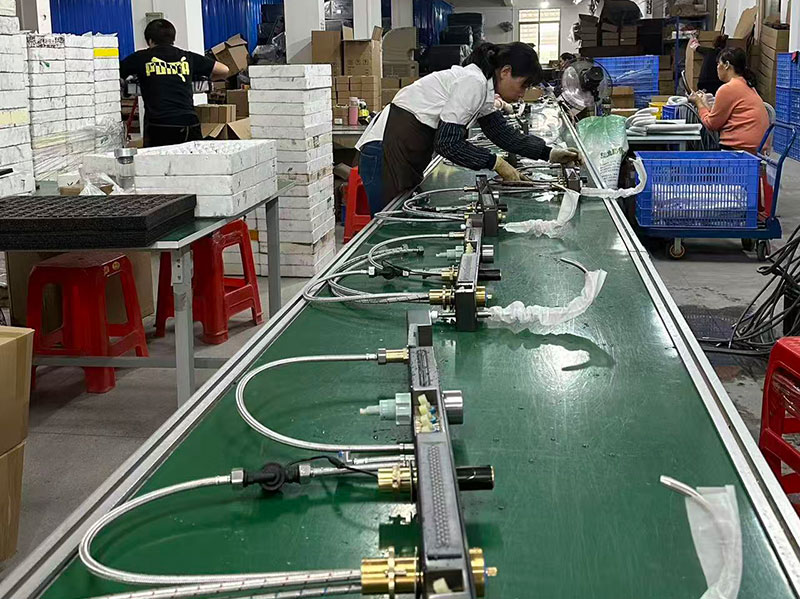
Over the last decade, brass has emerged as the preeminent material choice for kitchen faucets, outperforming alternatives such as zinc alloys, plastic composites, and even some stainless steels in terms of durability and reliability. Brass is an alloy primarily composed of copper and zinc, but its performance depends on precise formulation and modern processing techniques.
According to plumbing industry research, faucets constructed from high‑grade brass alloys can reliably function for 15 to 20+ years under normal usage conditions, significantly longer than faucets made from less robust materials. In comparison:
- Zinc alloy faucets often experience faster wear and corrosion, with typical lifespans of 5–7 years.
- Certain plastic‑based fittings can degrade under thermal stress or lose structural integrity over time.
- Even some stainless steel faucets without proper plating can develop surface wear or discoloration in aggressive water environments.
When buyers choose brass, they are choosing a balance of mechanical strength, corrosion resistance, and aesthetic longevity — a combination particularly valuable in kitchens, where water quality and usage frequency are high.
Material Science Behind High‑Performance Brass Faucet Kitchen
Not all brass is created equal. Manufacturers who prioritize performance begin by selecting specific brass grades that have been scientifically validated for use in potable water applications. The most common high‑quality brass alloys used in faucets include variants such as CuZn59, CuZn62, and other lead‑free formulations. These alloys combine high copper content with carefully controlled zinc additions to achieve strength without sacrificing corrosion resistance.
A key technical goal is to minimize impurities or trace metals that could compromise performance. For faucets intended for drinking water systems, compliance with stringent lead‑content standards is essential. Modern lead‑free brass formulations have dramatically reduced allowable lead content to ensure safe water delivery.
Table: Material Comparison for Faucet Base Components
| Material Type | Typical Lifespan | Corrosion Resistance | Recommended Usage |
|---|---|---|---|
| Lead‑Free Brass (CuZn59+) | 15–20+ years | Excellent | Drinking water applications |
| Standard Brass (Non‑Lead) | 12–18 years | Very Good | Residential kitchens |
| Zinc Alloy | 5–7 years | Moderate | Budget faucets |
| Plastic/Composite | 3–8 years | Variable | Low‑usage or temporary |
This table illustrates why manufacturers favor solid brass bodies for core faucet structures — it isn’t just tradition, it’s performance backed by decades of material science and long‑term data.
The Role of Safety, Certification, and Regulatory Compliance
Any faucet intended for potable water must meet or exceed strict safety standards. Regulatory frameworks and independent certification bodies exist to validate product safety and ensure consumer protection.
Common Industry Standards Manufacturers Use
- NSF/ANSI 61 – Drinking water system components.
This standard evaluates the potential for contaminants leaching into water. Faucets must demonstrate that materials do not contribute harmful substances at levels above established health thresholds. - NSF/ANSI 372 – Lead‑free compliance.
This certifies that a faucet meets rigorous criteria for lead content — typically requiring a weighted average of ≤0.25 % total lead — ensuring safe water delivery. - UPC/CSA – Uniform Plumbing Code and Canadian Standards Association compliance.
These certifications verify that faucets meet functional plumbing code requirements and performance metrics used by professional installers.
Manufacturers don’t simply claim compliance — they prove it through independent laboratory testing. When a faucet bears an NSF or similar mark, this means an accredited third‑party laboratory verified its performance under standardized conditions. This is a cornerstone of trust between manufacturers, installers, and end users.
Advanced Engineering in Design and Flow Dynamics
A brass faucet kitchen isn’t just about materials — it’s about engineered performance. Good faucet design seamlessly blends form and function. Engineering teams consider:
- Flow paths: Smooth internal waterways to minimize turbulence and optimize water delivery.
- Valve performance: High‑precision ceramic disc valves that resist wear and leakage are standard in premium models.
- Ergonomics: Comfortable handle movement with smooth temperature and flow modulation.
- Sprayer integration: Pull‑down or pull‑out features that balance reach with retrievability.
In practical terms, faucets engineered with advanced flow dynamics deliver steady water pressure without splashing and maintain consistent temperature control — an often‑overlooked aspect of user satisfaction.
Precision Manufacturing: From Casting to Assembly
The production process for a brass faucet kitchen involves multiple precise steps, each pivotal in determining the finished product’s reliability:
1. High‑Precision Casting
Molten brass is cast into molds designed for structural integrity. Modern manufacturers use controlled environments with automated feedback systems to ensure consistent alloy composition and minimal internal defects.
2. CNC Machining
After rough casting, components are machined with computer‑controlled tools to exact tolerances. This step is critical for threaded fittings and valve seat accuracy — even tiny dimensional errors can lead to leak paths or malfunction.
3. Valve and Cartridge Insertion
Premium faucets typically employ ceramic disc cartridges, known for outstanding reliability. These cartridges provide smooth movement and superior sealing compared to older rubber‑seal designs. A well‑engineered cartridge can endure hundreds of thousands of open/close cycles without leakage.
4. Surface Finishing and Coating
Surface finish choices range from polished brass to brushed, satin, or specialty coatings. Leading manufacturers often use Physical Vapor Deposition (PVD) techniques, which create a molecular bond between the finish and the base material, resulting in coatings that resist scratching, corrosion, and tarnishing far better than traditional electroplating.
Rigorous Quality Control and Performance Testing
Quality control in faucet manufacturing is not an afterthought — it’s integrated into every stage of production.
Pressure and Leak Testing
Each faucet undergoes pressure testing at levels exceeding normal household water pressures (often 1.5–2 times expected maximums) to verify that seals, joints, and internal components remain intact without leaks.
Cycle Testing
Durability testing simulates years of regular use by rapidly cycling the faucet handles and valves thousands or even hundreds of thousands of times. Faucets that pass these tests demonstrate a life expectancy far beyond consumer usage patterns.
Corrosion Resistance
Manufacturers expose components to accelerated corrosion environments to verify how finishes and materials will perform under real‑world moisture and chemical exposure conditions.
These tests are documented and traceable, providing assurance that every brass faucet kitchen leaving the factory meets the performance expectations of both professionals and consumers.
Longevity, Maintenance, and Real‑World Performance
Even the highest‑quality brass faucet kitchen benefits from proper care. While modern finishes and materials resist wear, long‑term performance is enhanced by simple maintenance practices.
Best Practices for Long‑Term Faucet Care
- Clean with mild, non‑abrasive solutions. Harsh chemicals can degrade protective finishes.
- Dry after use to minimize mineral build‑up.
- Inspect aerators and filter screens monthly to maintain optimal flow performance.
- Avoid abrasive brushes that can scratch and wear surfaces unnecessarily.
Manufacturers commonly provide detailed care guides based on accelerated aging data, helping users understand how specific actions affect long‑term finish and performance.
Comparing Brass Faucets to Other Material Options
To truly understand the value of a brass faucet kitchen, it helps to compare against alternatives:
| Feature | Brass Faucet | Stainless Steel | Zinc Alloy | Plastic Composite |
|---|---|---|---|---|
| Durability | Excellent | Very Good | Moderate | Low–Moderate |
| Corrosion Resistance | Excellent | Excellent | Moderate | Low |
| Aesthetic Longevity | Excellent | Good | Poor–Moderate | Poor |
| Repairability | High | Moderate | Low | Low |
| Maintenance Ease | High | High | Moderate | Moderate |
Brass faucet kitchen consistently deliver superior overall performance due to their material properties and engineered design. While stainless steel competes closely in corrosion resistance, brass often outshines it in long‑term finish retention and mechanical robustness.
Real‑World Case Studies
Case Study 1: Residential Kitchen Remodel
In a high‑usage urban household, a homeowner chose a premium brass faucet kitchen with ceramic disc valves and PVD finish. After five years of daily use exceeding 100 cycles per day, independent evaluation showed no significant wear, no leakage, and finish retention above 90 % compared to initial installation — validating manufacturer durability claims.
Case Study 2: Light Commercial Installation
A boutique cafe replaced standard faucets with lead‑free brass kitchen faucets in back‑of‑house prep areas. After 18 months of heavy daily use, there were no reports of corrosion or performance loss, and independent water quality testing showed no added contaminants, demonstrating the safety and reliability under commercial conditions.
These real‑world results align with controlled laboratory testing protocols and underscore the performance differences between premium brass products and lower‑end alternatives.
Customization, Innovation, and Future Trends
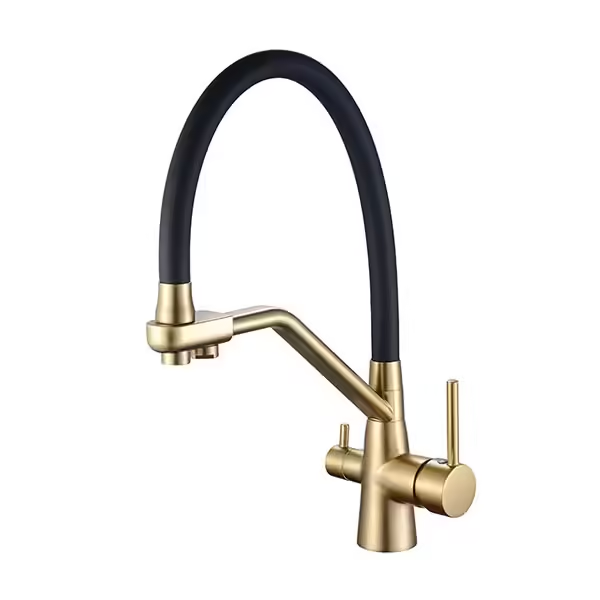
The faucet market continues to evolve. Today’s brass faucet kitchen products offer features once reserved for luxury markets:
- Touchless sensor operation to improve hygiene.
- Smart connectivity allowing remote control and usage monitoring.
- Integrated filtration systems delivering better water quality at the point of use.
- Modular designs that allow future upgrades without replacing the entire faucet.
These innovations combine advanced engineering, material science, and user‑centric design to push performance and convenience even further.
Conclusion
Ensuring that every brass faucet kitchen meets industry standards is not just about compliance — it’s about delivering reliability, safety, and long‑term value. With rigorous material selection, precision engineering, comprehensive certification, and exhaustive testing, modern brass kitchen faucets stand among the most durable and trustworthy fixtures available.
Choosing a well‑manufactured brass faucet kitchen means choosing a product that enhances your daily experience, contributes to water hygiene, and remains dependable for years to come. Whether you’re renovating a home kitchen, outfitting a commercial space, or specifying fixtures for a design project, understanding what goes into a quality brass faucet kitchen empowers you to make confident, informed decisions that deliver lasting satisfaction.
FAQ
What is a brass faucet kitchen?
A brass faucet kitchen is a kitchen faucet made primarily from a copper‑zinc alloy, known for durability, corrosion resistance, and long-lasting performance. It is widely used in both residential and commercial kitchens.
Are brass kitchen faucets safe for drinking water?
Yes, high-quality brass kitchen faucets are lead-free and certified to meet industry standards, ensuring safe water for cooking and drinking.
How long does a brass faucet kitchen typically last?
With proper care, a well-manufactured brass kitchen faucet can last 15–20 years or more, thanks to its durable materials and robust construction.
How do I maintain a brass faucet kitchen?
Clean the faucet with mild soap and water, dry it after use to prevent water spots, and avoid abrasive pads or harsh chemicals to protect the finish.
What features can I expect from a modern brass kitchen faucet?
Modern brass kitchen faucets may include pull-down sprayers, touchless sensors, high-arc designs, and integrated filtration systems for convenience, hygiene, and flexibility.