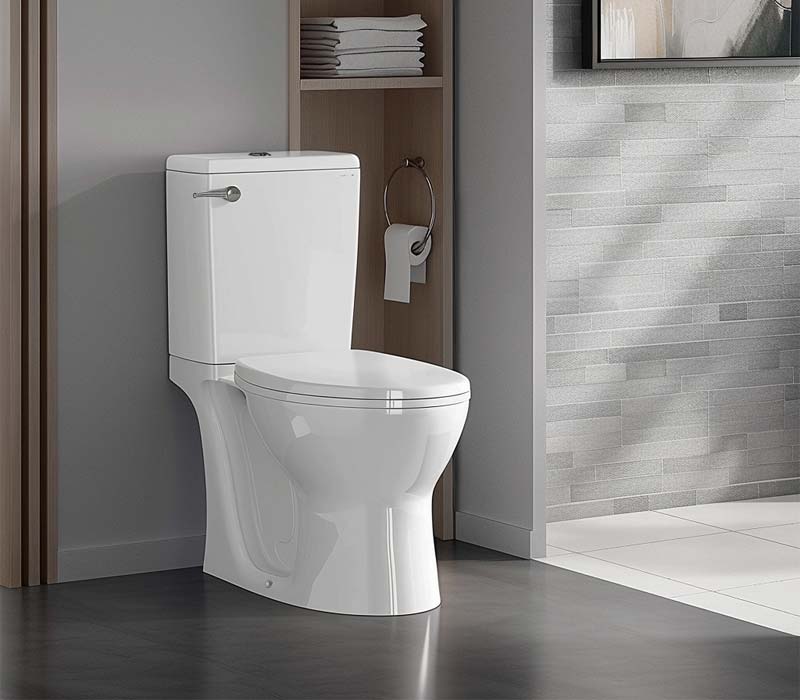
In recent years, the sanitary ware industry has undergone profound changes, with ceramic toilets standing at the forefront of this transformation. Once considered merely functional necessities, toilets have evolved into products that embody advanced technology, sustainability, and consumer-oriented design. The innovation in ceramic toilet technology is not only reshaping product performance but also fueling the rapid growth of the entire industry. This article explores the key technological breakthroughs, market dynamics, environmental benefits, and future prospects that demonstrate how ceramic toilet innovation is propelling the sanitary ware industry forward.
1. Evolution of Ceramic Toilets
1.1 From Utility to Smart Living
Traditionally, ceramic toilets were designed with basic functionality in mind: durability, hygiene, and affordability. Over the past two decades, consumer expectations have shifted. Today’s buyers seek toilets that deliver comfort, efficiency, and even aesthetic appeal. This evolution has opened the door for innovation in flushing systems, materials, water-saving mechanisms, and smart features.
1.2 Role of Technology in Product Transformation
Technological advances such as high-pressure flushing, rimless design, nano-glazing, and intelligent sensors have redefined the modern ceramic toilet. What was once a static household item is now part of an integrated smart bathroom solution, highlighting the fusion of technology and lifestyle.
2. Breakthrough Innovations Driving Industry Growth
2.1 Advanced Flushing Systems
Modern ceramic toilets now feature dual-flush and pressure-assisted flushing systems. These technologies significantly reduce water consumption while maintaining powerful cleaning performance. The rimless flush design, for instance, ensures complete coverage, minimizing bacterial growth and making cleaning easier.
2.2 Intelligent Features
Smart toilets equipped with motion sensors, automatic lids, heated seats, and customizable washing modes are rapidly gaining popularity. These features not only enhance comfort but also align with the global demand for smart home ecosystems.
2.3 Eco-Friendly Glazing and Materials
The introduction of nano-glazed surfaces makes ceramic toilets more resistant to stains and bacterial buildup. This innovation improves hygiene, reduces the need for harsh chemical cleaners, and supports sustainable living practices.
2.4 Noise Reduction and User Comfort
New engineering methods have led to quieter flushing systems and ergonomic seat designs. These improvements elevate user experience and appeal to markets that prioritize both comfort and privacy.
3. Environmental and Sustainability Benefits
3.1 Water Conservation
Ceramic toilets now consume as little as 3–4 liters of water per flush, compared to traditional models requiring 9–12 liters. This reduction has a profound impact on global water conservation, especially in regions facing water scarcity.
3.2 Sustainable Manufacturing
Leading manufacturers are adopting green production practices, including low-carbon firing techniques, recyclable materials, and reduced energy consumption. These eco-friendly practices not only reduce environmental impact but also align with regulatory requirements in global markets.
3.3 Consumer Awareness and Preferences
Environmental awareness among consumers is driving demand for eco-labeled and water-saving toilet models. Manufacturers that prioritize sustainability gain a competitive edge in domestic and international markets.
4. Market Trends and Industry Dynamics
4.1 Growing Global Demand
The global ceramic toilet market is experiencing significant growth, driven by urbanization, rising living standards, and the expansion of real estate projects. Asia-Pacific remains the largest market, with China and India leading in production and consumption.
4.2 Premiumization and Customization
As disposable incomes rise, consumers are increasingly willing to invest in premium and customized sanitary ware. Unique colors, minimalist designs, and personalized smart features are shaping consumer choices.
4.3 Digital Marketing and E-Commerce Channels
The rapid growth of e-commerce platforms has provided manufacturers with direct access to consumers. Virtual showrooms, online customization tools, and live-stream product demonstrations are accelerating brand reach and product adoption.
4.4 International Expansion
Companies are targeting emerging markets in Southeast Asia, the Middle East, and Africa, where infrastructure development and real estate growth are creating substantial demand for modern sanitary products.
5.1 Rising Raw Material Costs
The increasing cost of raw materials such as clay, glaze, and copper components poses challenges for manufacturers. Many are addressing this by optimizing supply chains and investing in resource-efficient production technologies.
5.2 Technological Barriers
While smart toilets offer advanced features, they require significant R&D investment and consumer education. Manufacturers must balance innovation with affordability to ensure wider adoption.
5.3 Environmental Regulations
Stringent global regulations on water usage and waste management require continuous product updates. Forward-thinking companies view these as opportunities to strengthen brand image by showcasing eco-friendly credentials.
6. Future Prospects of Ceramic Toilet Innovation
6.1 Integration with Smart Homes
The future of ceramic toilets lies in seamless integration with smart home ecosystems. Voice control, AI-driven water management, and personalized health monitoring functions are expected to become mainstream.
6.2 Expansion of IoT Applications
Toilets equipped with IoT sensors could monitor water usage, detect leaks, and even track user health metrics. These data-driven solutions have the potential to revolutionize bathroom experiences and healthcare systems.
6.3 Emphasis on Design and Aesthetics
In addition to functionality, future toilets will focus on design, offering sleek, modern styles that complement luxury bathroom interiors. Minimalist and eco-chic designs are predicted to dominate the market.
6.4 Global Collaboration and Standards
Industry-wide collaborations will be crucial to establish global quality and sustainability standards. Such cooperation will accelerate innovation and build consumer trust across diverse markets.
Conclusion
The innovation of ceramic toilet technology is more than a product evolution—it represents a paradigm shift in the sanitary ware industry. From water conservation and environmental sustainability to intelligent features and global market expansion, these advancements are reshaping both consumer lifestyles and industry dynamics. As technology continues to evolve, ceramic toilets are poised to become a cornerstone of modern smart living, driving the rapid and sustainable growth of the global sanitary ware market.