Table of Contents
Understanding Ceramic Toilets
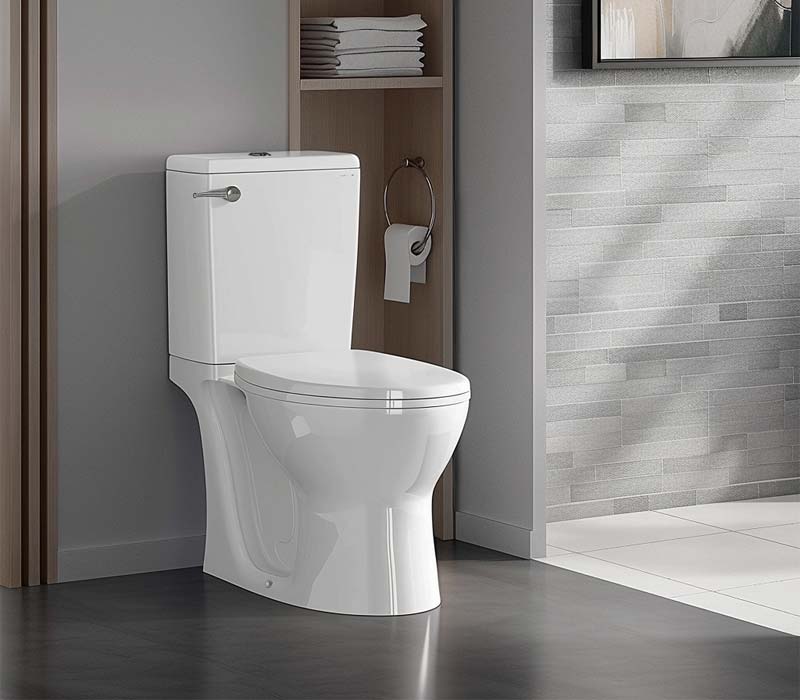
Ceramic toilets are one of the most widely used bathroom fixtures worldwide due to their durability, hygiene benefits, and design versatility. These toilets are crafted from high-quality clay materials, fired at high temperatures to form a dense, durable structure that resists chipping and staining over time. This makes porcelain toilets an ideal solution for both residential and commercial bathrooms.
According to the American Ceramic Society, the high-temperature firing process ensures that ceramic toilets have superior strength and reduced water absorption, directly impacting longevity and hygiene.
Key Elements That Make Ceramic Toilets Stand Out
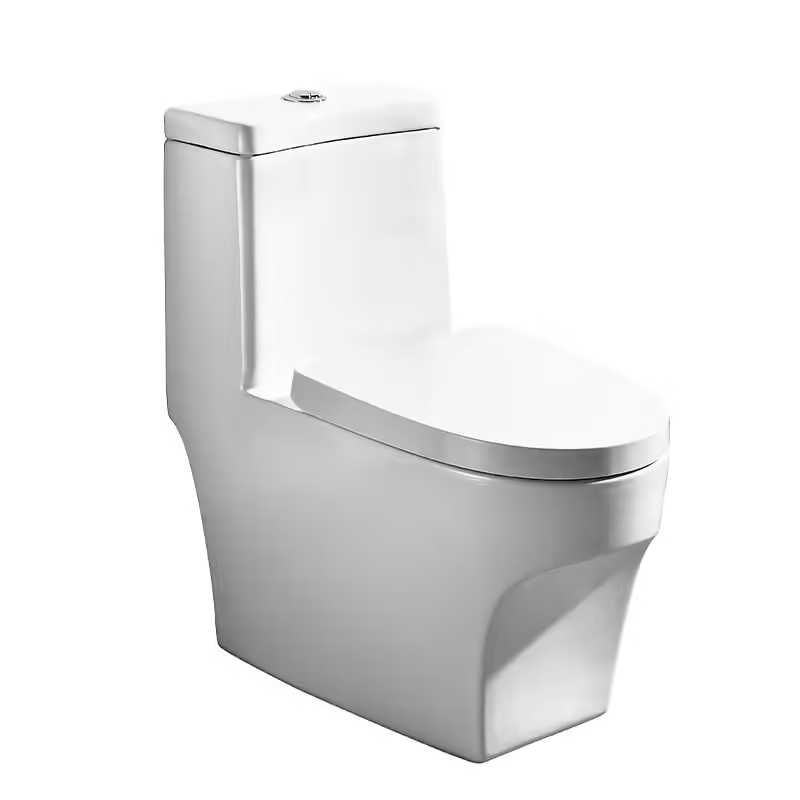
Materials and Manufacturing
Ceramic toilets are made primarily from porcelain or vitreous china, both of which undergo a precise firing process. This creates a smooth, non-porous surface that is resistant to scratches and easy to clean.
The production stages typically include:
| Stage | Description |
|---|---|
| Clay Preparation | Selecting high-quality clay and mixing it with additives for durability. |
| Shaping | Molding into desired toilet bowl or tank shapes. |
| Firing | High-temperature kiln firing to solidify and harden the material. |
| Glazing | Applying smooth glaze to improve hygiene, shine, and water resistance. |
| Quality Inspection | Ensuring structural integrity and surface uniformity. |
This table gives a snapshot of the critical steps in ensuring your porcelain toilet lasts for decades.
Hygiene Advantages
One of the most important aspects of porcelain toilets is hygiene. The smooth, glazed surface prevents bacteria and mold from adhering easily. When paired with modern flushing designs, it ensures superior cleanliness with minimal effort.
Water efficiency and hygiene optimization guidelines state that ceramic toilets can maintain high hygiene standards while conserving water. This makes them particularly suitable for high-traffic public restrooms as well as family bathrooms.
Comfort and Ergonomics
Modern porcelain toilets come in multiple bowl shapes and heights to accommodate user comfort. Choosing the right bowl design and comfort height is crucial:
- Elongated bowls provide more seating space.
- Comfort height toilets (typically 17-19 inches) reduce strain for older adults.
- Round bowls are suitable for compact spaces.
When selecting a porcelain toilet, think about your daily usage patterns and who will be using it most frequently. Ergonomic design impacts both comfort and long-term satisfaction.
Flush Systems and Water Efficiency
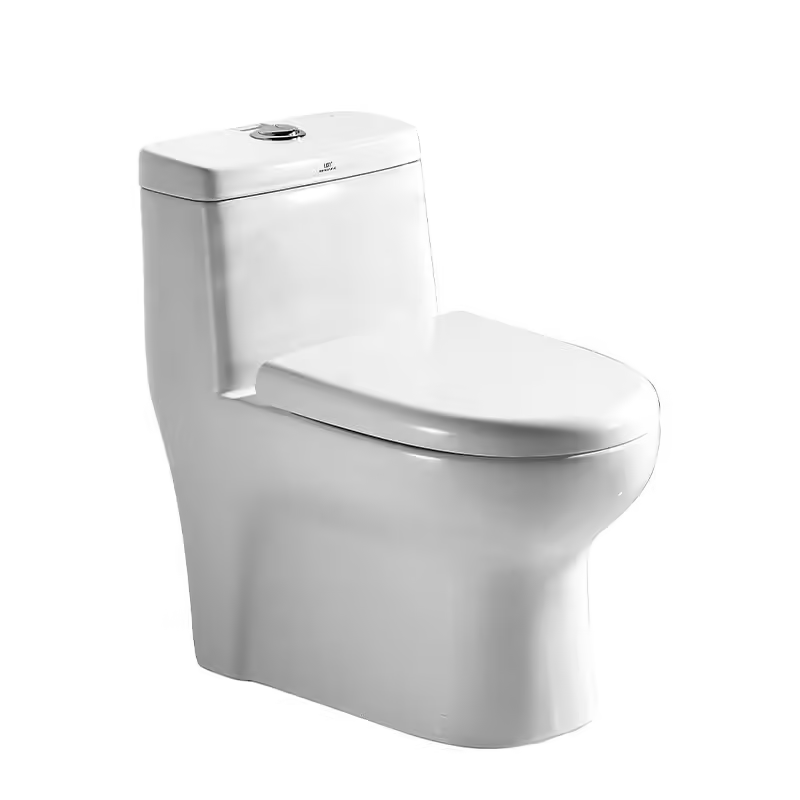
Ceramic toilets integrate a variety of flushing mechanisms:
- Gravity-flush systems rely on natural water weight to remove waste.
- Pressure-assisted flush provides more power for commercial applications.
- Dual-flush models offer flexibility, using different water volumes for liquid or solid waste.
Research from the Whole Building Design Guide indicates that optimized flushing paths in porcelain toilets improve waste removal efficiency and reduce water consumption, making them both environmentally and economically beneficial.
Installation and Space Planning
Proper installation ensures a porcelain toilet performs optimally. Considerations include:
- Rough-in dimensions—typically 12 inches but vary depending on layout.
- Floor reinforcement—heavier porcelain toilets may require sturdier flooring.
- Water supply access—ensure valves are positioned for easy maintenance.
For commercial projects, a layout review using design references from ArchDaily demonstrates how porcelain toilets integrate seamlessly with various bathroom configurations.
Durability and Maintenance
Ceramic toilets are highly durable. Regular cleaning with mild, non-abrasive products prevents surface damage while maintaining hygiene. The smooth glaze reduces staining and makes water scale easier to remove. Studies published by the American Ceramic Society confirm that properly glazed toilets can withstand over 20 years of use in high-traffic environments.
Commercial and Residential Applications
Ceramic toilets are versatile:
- Residential bathrooms benefit from elegant designs, ergonomic comfort, and easy cleaning.
- Hotels and hospitality require durable, low-maintenance solutions for high usage.
- Public facilities demand water efficiency, robust flush systems, and vandal-resistant components.
A well-chosen porcelain toilet balances aesthetics, function, and long-term performance across these scenarios.
Environmental and Sustainability Considerations
Modern ceramic toilets focus on sustainability. By combining:
- Low water consumption designs
- Energy-efficient manufacturing
- Long lifespan
They minimize environmental impact. Guidance from WaterSense and sustainable building practices ensures you can achieve both eco-friendly and cost-effective bathroom solutions.
Case Study Example
Project Scenario: A hotel chain renovated 50 bathrooms using elongated, comfort-height porcelain toilets with dual-flush systems.
Outcomes:
- Water usage reduced by 30% compared to previous installations.
- Guests reported increased comfort and satisfaction.
- Maintenance calls decreased by 40% over a 12-month period.
This case demonstrates how selecting the right porcelain toilet can improve both operational efficiency and user experience.
Conclusion
Choosing the right ceramic toilet is more than just picking a design—it’s about ensuring comfort, hygiene, durability, and efficiency for your bathroom space. By considering factors like bowl shape, comfort height, flush system, and material quality, you can select a toilet that not only meets your immediate needs but also provides long-term value for your home or commercial project.
Whether you are upgrading a family bathroom, outfitting a hotel, or designing a public facility, ceramic toilets offer a versatile and reliable solution. Their smooth, glazed surfaces make maintenance simple, while modern water-saving designs support sustainable bathroom practices. Investing in a high-quality ceramic toilet ensures both user satisfaction and operational efficiency over time.
FAQ
How do I choose the right ceramic toilet for my bathroom?
Consider your space, usage frequency, bowl shape, comfort height, and flushing system. Dual-flush models are ideal for water savings.
Are ceramic toilets easy to maintain?
Yes. The smooth glazed surface reduces stains and bacterial buildup, requiring only regular gentle cleaning.
What is the typical lifespan of a ceramic toilet?
When properly maintained, a ceramic toilet can last 20+ years, even in high-traffic commercial spaces
Can I install a ceramic toilet in a small bathroom?
Absolutely. Round bowls and compact designs fit well in limited spaces without compromising performance.
Are ceramic toilets environmentally friendly?
Yes. Modern designs reduce water usage and are produced using energy-efficient processes
Need Help Choosing the Perfect Ceramic Toilet?
If you’re unsure which ceramic toilet fits your bathroom or project requirements, our experts at Qizhou Bathroom are here to help. Contact us today for a personalized consultation, and ensure your bathroom is equipped with a high-quality, durable, and hygienic ceramic toilet. Don’t wait until it’s too late—reach out now to enhance your bathroom experience with professional guidance!