Table of Contents
Introduction
Bathrooms today look more refined than ever. Clean lines, neutral colors, frameless glass, and minimalist fixtures dominate modern homes and renovations. Yet despite these visual upgrades, many people step into their showers each morning and feel something is off.
The water doesn’t fall where they expect.
The spray feels either too harsh or too weak.
The controls feel awkward.
The experience looks modern—but doesn’t feel comfortable.
In many cases, the issue isn’t poor installation or low water pressure. It’s a misunderstanding of what a contemporary shower head is designed to do, and how it should be selected based on real user behavior rather than appearance alone.
This guide is written for homeowners, designers, and renovators who want more than a stylish bathroom photo. We’ll explore how contemporary shower heads actually function, what problems they solve (and sometimes create), and how to choose one that works for your body, your bathroom layout, and your daily routine.
By the end, you’ll understand how to turn a modern-looking shower into one that genuinely feels good to use.
What Defines a Contemporary Shower Head?
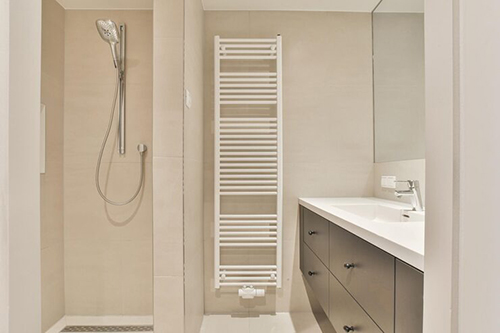
The word contemporary is often used loosely. In showers, it’s not just about how something looks—it’s about how it integrates form, function, and modern living habits.
Core Characteristics of a Contemporary Shower Head
A contemporary shower head typically features:
- Clean, uncluttered design
- Slim or geometric profiles
- Subtle finishes and minimal detailing
- Engineered spray patterns rather than brute force
- Compatibility with modern plumbing standards
Unlike traditional shower heads that prioritize strong, narrow streams, contemporary designs often focus on coverage, consistency, and control.
Contemporary vs Traditional: A Practical Comparison
| Feature | Traditional Shower Head | Contemporary Shower Head |
|---|---|---|
| Design focus | Utility-first | User experience + aesthetics |
| Spray style | Concentrated streams | Engineered dispersion |
| Visual profile | Bulky, rounded | Slim, minimal |
| Typical user | Function-driven | Comfort- and design-driven |
| Installation context | Standard bathrooms | Renovated or modern homes |
Understanding this difference helps set realistic expectations.
Why Users Choose Contemporary Shower Heads
Most people don’t switch to contemporary fixtures just to follow trends. They’re reacting to frustrations with older setups.
Common User Motivations
- Wanting a calmer, spa-like shower
- Reducing visual clutter in the bathroom
- Improving comfort without increasing water use
- Matching modern interior design
- Improving accessibility and usability
Contemporary shower heads promise these benefits—but only when chosen correctly.
The Most Common Complaints About Modern Showers
Ironically, many complaints come after a contemporary shower head is installed.
Frequent User Issues
- “The water feels too soft”
- “It looks great, but rinsing takes longer”
- “The spray doesn’t hit my shoulders”
- “It feels weaker than my old shower”
These problems rarely mean the product is defective. They usually indicate a mismatch between design intent and user expectations.
Case Study: When Design Priorities Overrode Comfort
Household Profile
- Newly renovated condo
- Ceiling height: 8 feet
- User heights: 5’6” and 6’1”
Decision
A large, ceiling-mounted contemporary shower head was chosen for its sleek appearance.
Result
- Taller user felt adequate coverage
- Shorter user experienced water hitting chest, not shoulders
- Rinsing hair required stepping back
Solution
The household added an adjustable wall-mounted contemporary shower head alongside the ceiling unit, restoring flexibility without sacrificing design.
Takeaway
Contemporary design works best when paired with real usage patterns—not just visuals.
Spray Technology: Why Modern Showers Feel Different
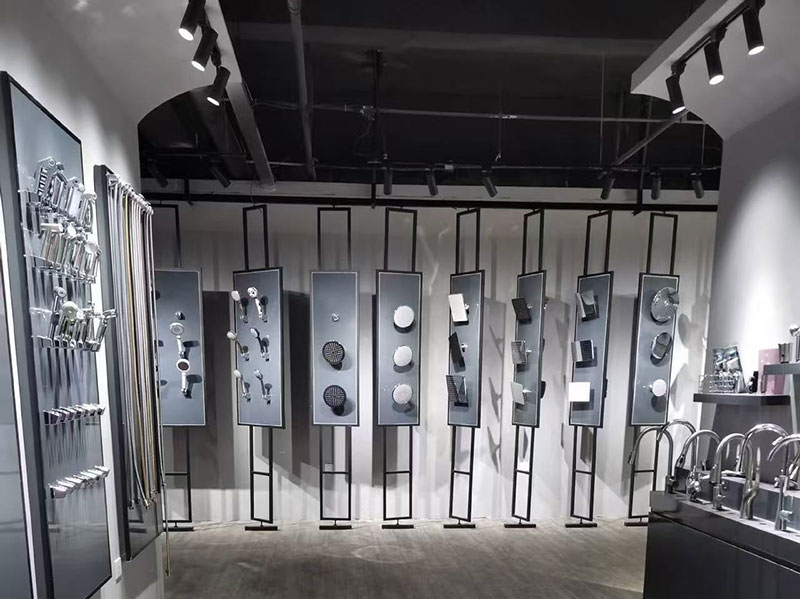
Contemporary shower heads rely on spray engineering, not raw volume.
Common Spray Styles in Contemporary Designs
- Wide rain-style dispersion
- Aerated spray patterns
- Laminar flow streams
- Mixed spray zones
Each serves a purpose, but not all suit every household.
Spray Coverage vs Intensity
| Spray Type | Coverage | Intensity | Best For |
|---|---|---|---|
| Rain-style | Very wide | Low–medium | Relaxation |
| Aerated | Medium | Medium | Daily use |
| Laminar | Narrow | High | Rinsing |
| Multi-zone | Adjustable | Variable | Shared households |
Users who value quick rinsing often prefer focused spray options, even within contemporary designs.
Water Flow and Perceived Performance
Modern showers are often designed to comply with water efficiency standards. This changes how water feels.
Why “Less Water” Can Feel Better—or Worse
A well-designed contemporary shower head uses:
- Smaller, precisely shaped nozzles
- Air-water mixing
- Controlled dispersion angles
When executed well, this creates full coverage without waste. When poorly matched to user needs, it feels underwhelming.
Measuring Real-World Performance
| Task | What Users Expect | What Matters Most |
|---|---|---|
| Hair rinsing | Fast rinse | Spray focus |
| Muscle relaxation | Even flow | Coverage |
| Daily shower | Balance | Control |
| Shared use | Flexibility | Adjustability |
Height, Angle, and Body Interaction
Contemporary shower heads often emphasize symmetry and alignment—but bodies are not symmetrical.
Why Fixed Positions Can Be Limiting
Many contemporary designs assume:
- Average user height
- Upright posture
- Centered stance
Real users move, lean, and adjust constantly.
Adjustable Options Within Contemporary Design
- Pivoting joints
- Angled arms
- Dual-function setups
Flexibility doesn’t undermine modern aesthetics—it enhances usability.
Ceiling-Mounted vs Wall-Mounted Contemporary Shower Heads
Both are common in modern bathrooms, but they serve different needs.
Practical Comparison
| Feature | Ceiling-Mounted | Wall-Mounted |
|---|---|---|
| Visual impact | High | Moderate |
| Installation complexity | High | Moderate |
| Height flexibility | Low | Medium |
| User adaptability | Low | High |
| Best for | Design-led spaces | Daily-use bathrooms |
Many designers now combine both to balance style and comfort.
Contemporary Showers in Small Bathrooms
Modern doesn’t always mean spacious.
Common Challenges
- Low ceilings
- Limited wall depth
- Shared bathrooms
Design Strategies That Actually Work
- Slim-profile shower heads
- Angled wall mounts
- Handheld contemporary units with clean lines
These preserve modern style without compromising function.
Maintenance Reality of Contemporary Shower Heads
Minimalist design often hides complexity.
Typical Maintenance Considerations
- Smaller nozzles require regular cleaning
- Mineral buildup affects spray consistency
- Access for cleaning matters
User-Friendly Features to Look For
- Flexible silicone nozzles
- Easy-access faceplates
- Tool-free cleaning designs
Long-term satisfaction depends heavily on maintenance ease.
Case Study: Shared Family Bathroom Upgrade
Household
- Two adults
- Two children
- One shared bathroom
Goal
Modernize the space while keeping it practical.
Solution
A contemporary shower system combining:
- Fixed wall-mounted head
- Slim handheld unit
Outcome
- Adults enjoyed design and comfort
- Children could adjust height
- Cleaning became easier
Lesson
Contemporary design doesn’t have to exclude flexibility.
How to Choose the Right Contemporary Shower Head for Your Needs
Instead of asking “Which looks best?”, ask:
- Who uses this shower daily?
- How tall are they?
- What does comfort mean to them?
- Is relaxation or efficiency the priority?
User-Centered Selection Table
| User Priority | Recommended Feature |
|---|---|
| Relaxation | Wide coverage spray |
| Efficiency | Focused spray |
| Shared use | Adjustable mounting |
| Accessibility | Handheld option |
| Low maintenance | Easy-clean nozzles |
Installation Considerations Before You Buy
Many issues arise because installation realities weren’t considered.
Key Questions to Ask
- Ceiling height?
- Existing plumbing location?
- Water pressure consistency?
- Structural support?
Ignoring these can turn a beautiful fixture into a daily frustration.
When Professional Installation Is Worth It
DIY works for simple replacements, but consider professional help when:
- Installing ceiling-mounted units
- Relocating water lines
- Combining multiple shower outlets
Correct installation protects both comfort and safety.
Conclusion
A contemporary shower head isn’t just a design choice—it’s a daily interface between your body and your home.
When chosen with real user needs in mind, it can transform a routine shower into a calm, efficient, and comfortable experience. When chosen purely for appearance, it often disappoints.
The most successful contemporary showers balance:
- Thoughtful design
- Human ergonomics
- Real water behavior
- Everyday usability
Modern living isn’t about chasing trends. It’s about creating spaces that quietly support daily life—and your shower should be one of them.
FAQ
What makes a shower head “contemporary”?
Contemporary shower heads emphasize modern design, engineered spray patterns, and compatibility with today’s water efficiency standards.
Do contemporary shower heads use less water?
Most are designed to be water-efficient, but performance depends on spray engineering rather than flow alone.
Are contemporary shower heads suitable for families?
Yes—especially when adjustable or combined with handheld options.
Why does my modern shower feel weaker than my old one?
Likely due to spray dispersion and water efficiency design, not actual pressure loss.
Can contemporary shower heads work in low-ceiling bathrooms?
Yes, with the right mounting style and profile.
Are they harder to maintain?
They may require more frequent cleaning, but many designs now prioritize easy maintenance.