Table of Contents
Introduction
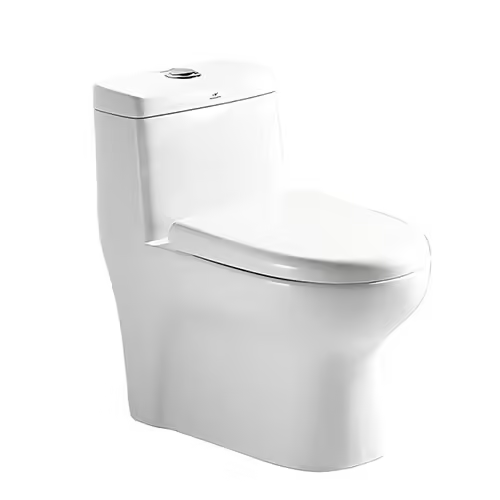
The bathroom has evolved from a purely functional space into a key area of modern interior design. Among all sanitary ware components, the ceramic toilet bowl plays a crucial role in defining hygiene standards, comfort, and aesthetic consistency. Today’s designs focus on efficiency, water savings, and visual simplicity, making ceramic toilet bowls an essential part of modern bathroom planning.
This article explores the latest trends, materials, technologies, and selection insights to help you understand how ceramic toilet bowls are shaping contemporary bathroom design.
Why Ceramic Toilet Bowl Remains the Industry Standard
Ceramic toilet have remained the global standard in bathroom fixtures due to their durability and hygiene performance. Ceramic is non-porous, resistant to stains, and easy to clean, making it ideal for long-term sanitary use.
Compared with alternative materials, ceramic offers superior resistance to bacteria buildup and chemical corrosion, ensuring consistent performance in both residential and commercial environments.
Key Trends in Ceramic Toilet Bowl Design
Modern bathroom design emphasizes minimalism, efficiency, and comfort. Several key trends are shaping the evolution of the ceramic toilet bowl:
- Rimless flushing systems for improved hygiene
- Wall-hung designs for space optimization
- Soft-close lids for noise reduction
- Seamless surfaces for easier cleaning
- Water-saving dual-flush technology
These innovations reflect a growing demand for sustainability and user convenience.
Types of Ceramic Toilet Bowl in Modern Bathrooms
One-Piece Ceramic Toilet
A unified structure that integrates tank and bowl, offering a sleek and modern appearance with fewer joints for easier cleaning.
Two-Piece Ceramic Toilet
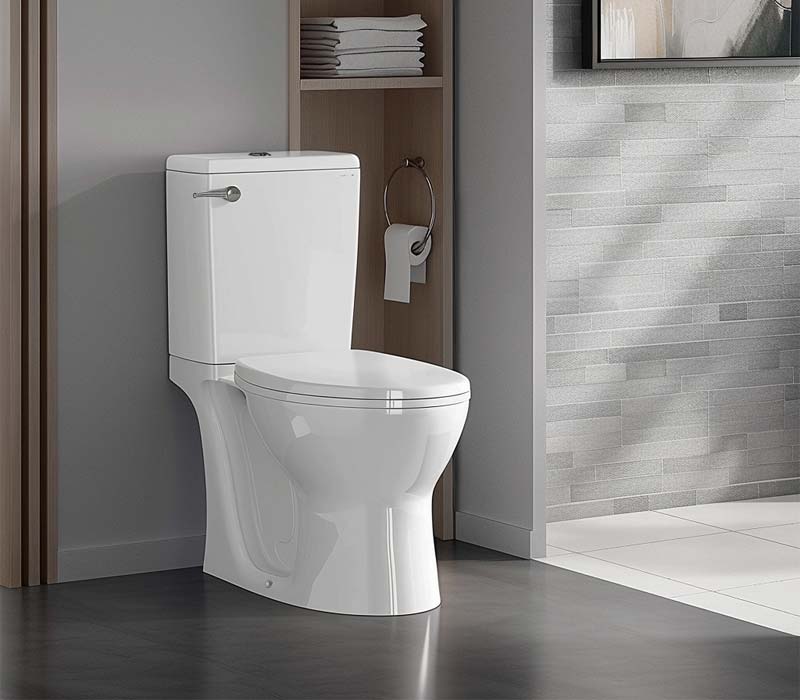
Traditional design with separate tank and bowl, widely used due to affordability and easy maintenance.
Wall-Hung Ceramic Toilet
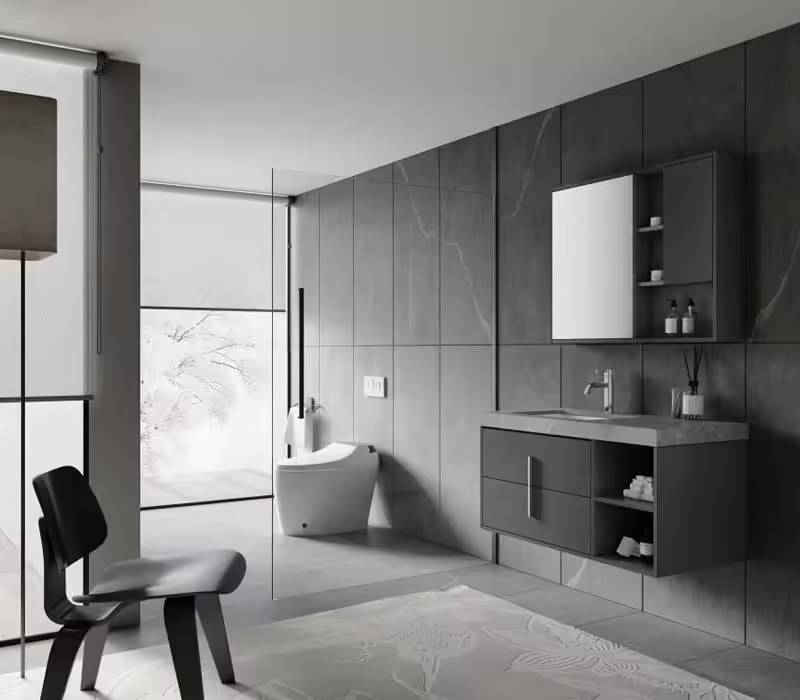
Mounted on the wall with concealed tanks, ideal for compact and minimalist bathroom layouts.
Smart Ceramic Toilet
Equipped with advanced features such as automatic flushing, heated seats, and bidet functions for enhanced comfort.
Ceramic Toilet Bowl Material Advantages
Ceramic remains the preferred material due to several key benefits:
- High durability and long service life
- Resistant to scratches and chemical cleaning agents
- Smooth glazed surface prevents bacterial growth
- Easy maintenance and cleaning
According to industry sanitation studies, glazed ceramic surfaces reduce bacterial adhesion by over 90% compared to porous materials.
Water Efficiency and Environmental Impact
Modern ceramic toilet bowl designs increasingly focus on water conservation. Dual-flush systems allow users to choose between low and full flush options, significantly reducing water consumption.
On average, modern efficient toilet systems can reduce household water usage by 20%–40%, depending on usage patterns and system design.
Design Aesthetics in Modern Bathrooms
The ceramic toilet is no longer just a utility fixture—it is part of the overall design language of the bathroom. Popular design directions include:
- Matte white minimalist finishes
- Compact geometric shapes
- Hidden cistern systems
- Floating wall-mounted structures
These designs contribute to a clean, uncluttered bathroom environment that aligns with modern architectural trends.
Installation Considerations
Proper installation is essential for performance and durability. Key factors include:
- Correct drainage alignment
- Stable floor or wall support
- Compatibility with plumbing systems
- Professional installation for wall-hung models
Incorrect installation can lead to leakage, instability, or reduced flushing efficiency.
Maintenance Tips for Ceramic Toilet
To maintain long-term performance:
- Clean regularly using non-abrasive cleaners
- Avoid harsh chemicals that damage glaze
- Check flushing mechanisms periodically
- Ensure proper ventilation to reduce moisture buildup
Routine maintenance helps preserve both hygiene and appearance.
Ceramic Toilet Material and Feature Comparison
| Ceramic Toilet Bowl Type | Main Features | Best Application | Water Efficiency | Maintenance Level |
|---|---|---|---|---|
| One-Piece Ceramic Toilet Bowl | Seamless design, modern appearance, easy cleaning | Modern residential bathrooms | High | Low |
| Two-Piece Ceramic Toilet Bowl | Separate tank and bowl, cost-effective | Standard family bathrooms | Medium to High | Medium |
| Wall-Hung Ceramic Toilet Bowl | Space-saving, concealed tank, minimalist style | Small and luxury bathrooms | High | Low |
| Smart Ceramic Toilet Bowl | Automatic flushing, heated seat, bidet functions | Premium modern bathrooms | Very High | Medium |
| Rimless Ceramic Toilet Bowl | Improved hygiene, easier cleaning | Commercial and residential use | High | Low |
This comparison table helps homeowners, contractors, and designers better understand how different ceramic toilet bowl types perform in terms of functionality, maintenance, and modern bathroom applications.
Common Mistakes to Avoid
When selecting a ceramic toilet, avoid:
- Choosing based only on appearance without checking flushing performance
- Ignoring water efficiency ratings
- Selecting incorrect size for bathroom layout
- Overlooking installation requirements
A balanced approach ensures both functionality and design satisfaction.
Applications in Different Bathroom Types
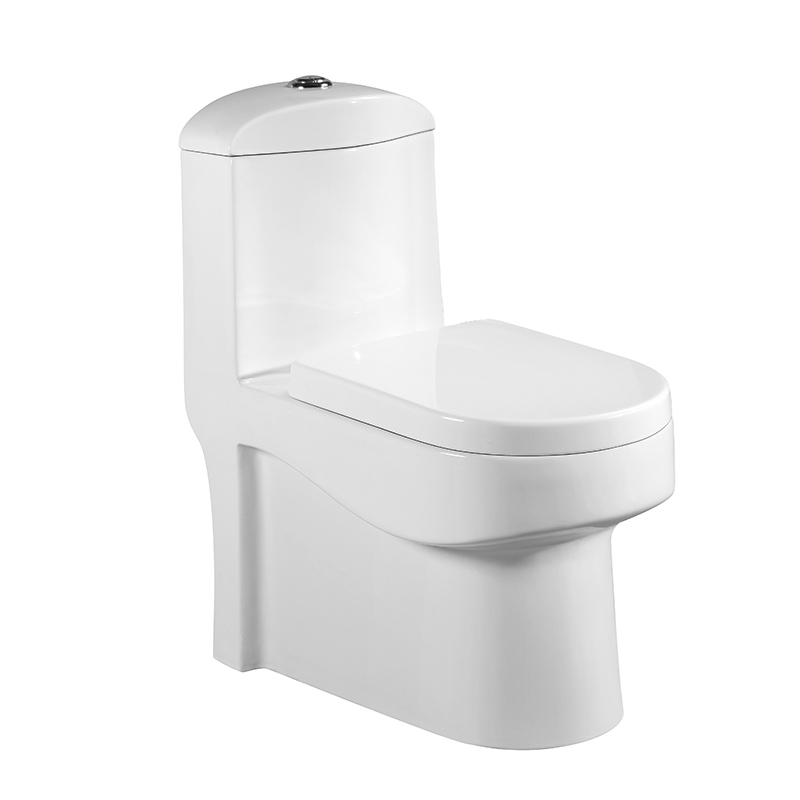
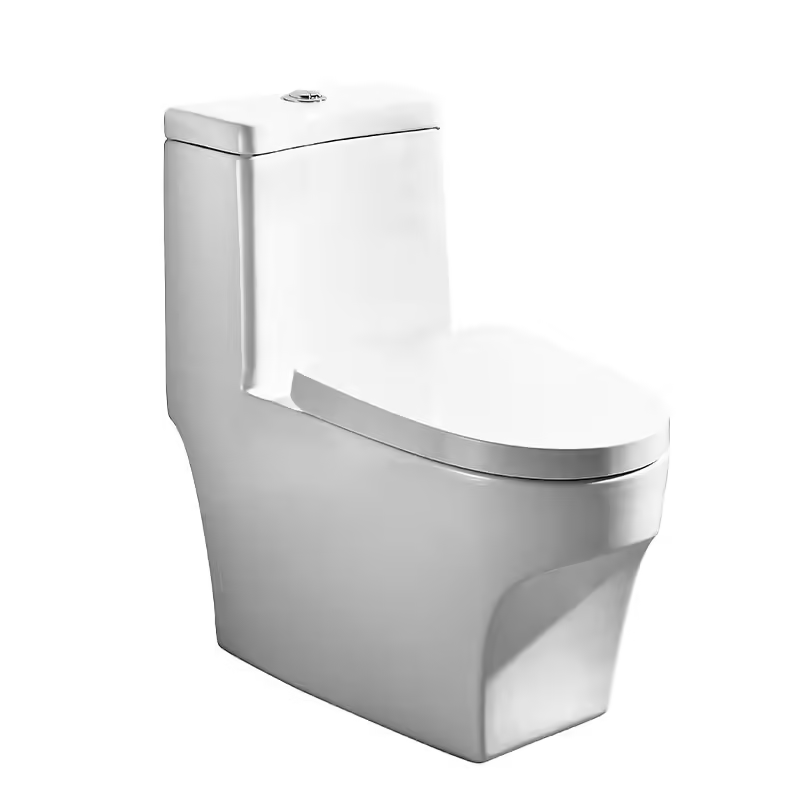
Ceramic toilet bowls are widely used in:
- Residential bathrooms
- Hotels and hospitality projects
- Commercial restrooms
- Renovation and remodeling projects
Their versatility makes them suitable for nearly all bathroom environments.
Conclusion
The ceramic toilet continues to evolve with modern bathroom design trends, focusing on hygiene, efficiency, and aesthetics. From smart technology integration to water-saving innovations, today’s designs offer both functionality and style.
Choosing the right ceramic toilet bowl ensures long-term durability, improved comfort, and a more refined bathroom environment that meets modern expectations.
FAQ
What is a ceramic toilet bowl?
A ceramic toilet is a sanitary fixture made from glazed ceramic material designed for bathroom use. It offers a smooth, non-porous surface that resists stains, supports easy cleaning, and ensures long-term hygiene and durability in residential and commercial spaces.
Why is ceramic used for toilet?
Ceramic is widely used because it is durable, water-resistant, and easy to maintain. Its glazed surface prevents bacteria buildup and staining, making it ideal for sanitary applications where hygiene, strength, and long service life are required.
What are the main types of ceramic toilet?
Common types include one-piece, two-piece, wall-hung, and smart ceramic toilet bowls. Each type offers different benefits in terms of installation, space-saving design, maintenance convenience, and advanced features like dual-flush or automatic systems.
How long does a ceramic toilet last?
A high-quality ceramic toilet bowl can last 10–20 years or more with proper maintenance. Its durability depends on material quality, usage frequency, and regular cleaning to prevent buildup and maintain flushing performance over time.
How do you maintain a ceramic toilet?
Regular cleaning with non-abrasive cleaners, avoiding harsh chemicals, and checking the flushing system periodically helps maintain a ceramic toilet. Proper care ensures long-term hygiene, prevents staining, and keeps the surface smooth and durable.
Need Help Choosing the Right Ceramic Toilet Bowl?
If you’re unsure which ceramic toilet best fits your bathroom layout, design needs, or project requirements, our experts are here to help. Contact us today for a personalized consultation, and ensure you get a durable, hygienic, and high-performance solution tailored to your space. Don’t wait—get in touch now to upgrade your bathroom with confidence!